 Ekasjot_Singh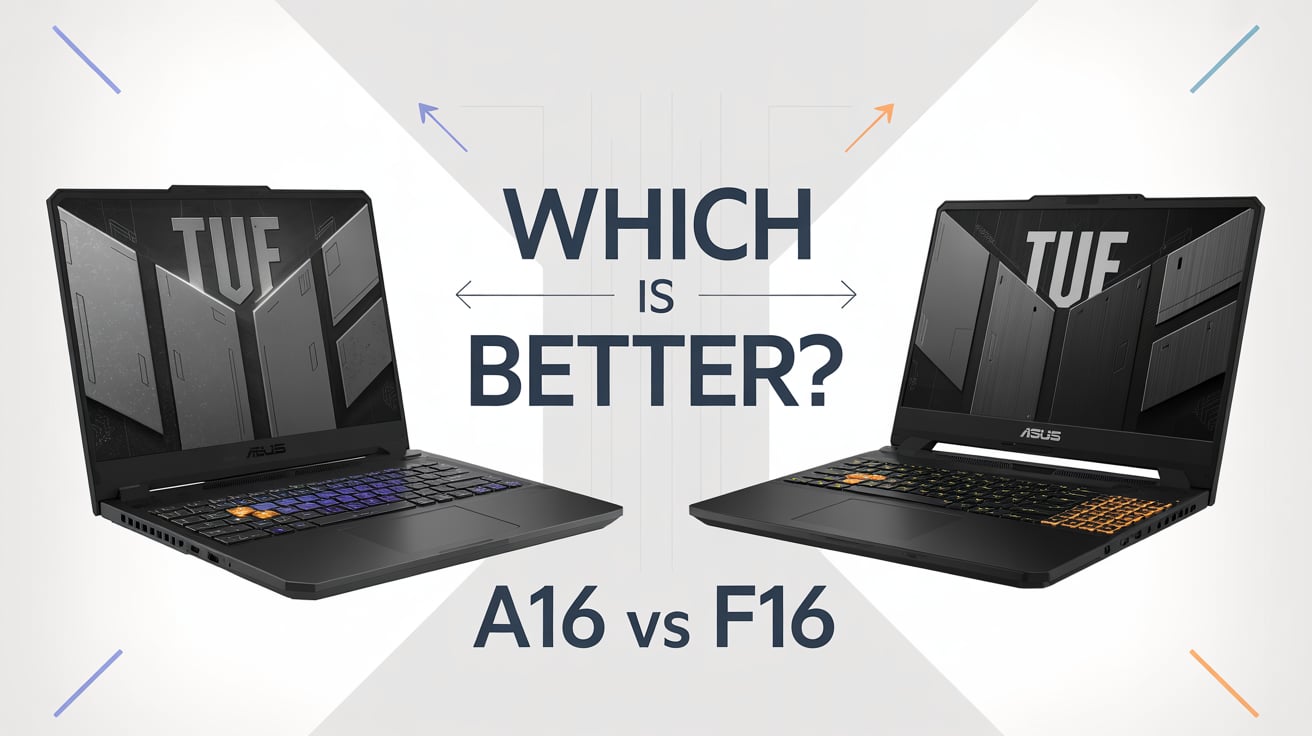
Introduction: Understanding the TUF Gaming Series
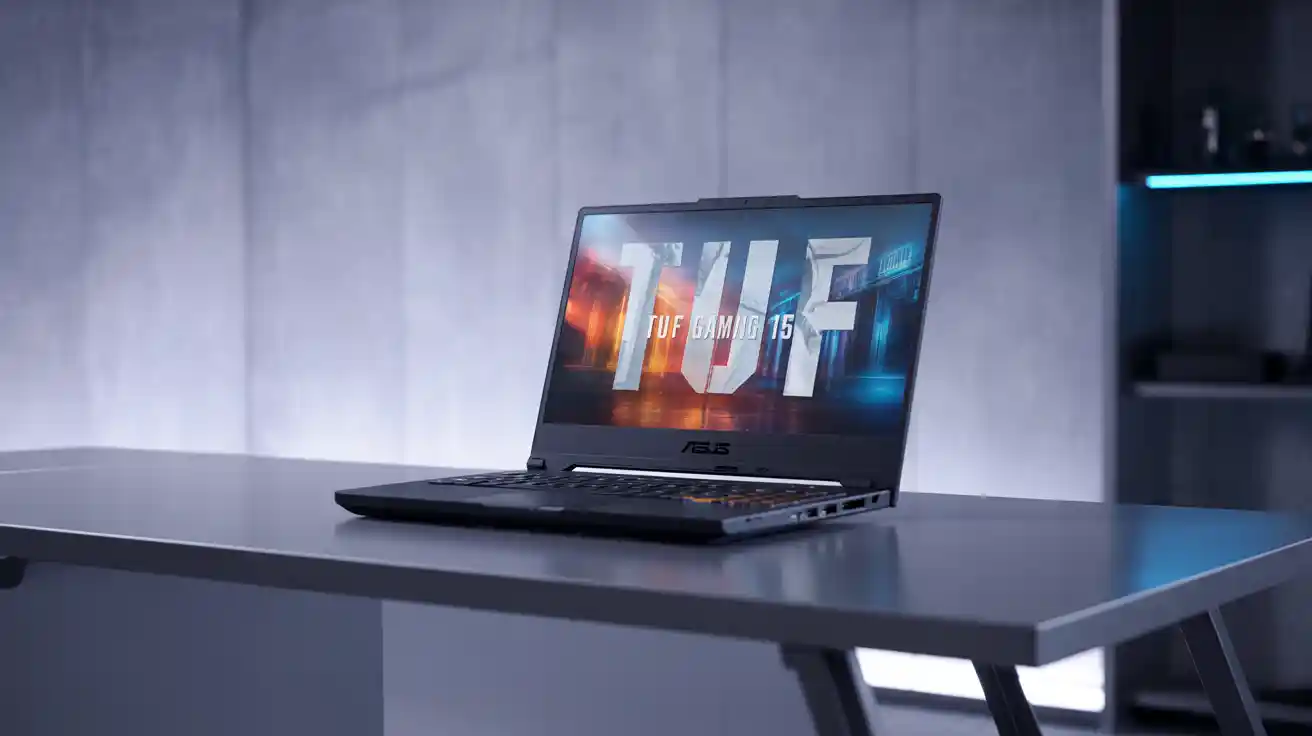
Asus has earned a reputation for producing some of the most reliable and high-performance gaming laptops on the market, with its TUF Gaming series standing out as one of the brand’s most popular lines. Known for its rugged build, affordable pricing, and impressive performance, TUF Gaming laptops are designed to handle the demanding needs of gamers, content creators, and professionals who require a machine that can withstand extended use while delivering strong performance.
Among the newest models in this series, the Asus TUF Gaming A16 and Asus TUF Gaming F16 offer different advantages depending on what you’re looking for in a laptop. The A16, with its larger 16-inch display, is geared towards users who value a more immersive viewing experience and robust cooling, making it ideal for gaming and content creation tasks that demand higher performance and thermal efficiency.
In contrast, the F16 is a more portable option with a 15.6-inch display, aimed at gamers who need a powerful yet lightweight laptop for on-the-go use. With a 144Hz refresh rate, the F16 excels in competitive gaming, providing a smoother, more responsive gaming experience.
In this article, we’ll dive into a detailed comparison of the A16 and F16, looking at key aspects like design, performance, display quality, cooling efficiency, and battery life, helping you choose the best option based on your specific needs.
1. Design and Build Quality: Durability, Portability, and Toughness
When considering a gaming laptop, the build quality is just as important as its performance. Both the Asus TUF Gaming A16 and F16 are known for their durability, thanks to military-grade certification that ensures they can withstand the everyday challenges that come with traveling, gaming marathons, or working on the go.
Asus TUF Gaming A16 Design
The A16 comes with a 16-inch screen, which gives it a larger footprint compared to its sibling, the F16. The laptop’s design is a bit bulkier, which is ideal for housing more advanced cooling components and offering more room for performance upgrades.
- Build Quality: The A16 is made from a combination of high-strength plastic and metal reinforcements, making it robust and able to handle tough environments. The military-grade MIL-STD-810H certification ensures that it can survive drops, vibrations, and high temperatures.
- Portability: While the A16’s size and weight (around 2.2 kg, or 4.8 lbs) make it less portable than the F16, it is designed for gamers who value a larger display and better cooling. The added bulk also means more space for internal components, which can contribute to better overall performance and thermal management.
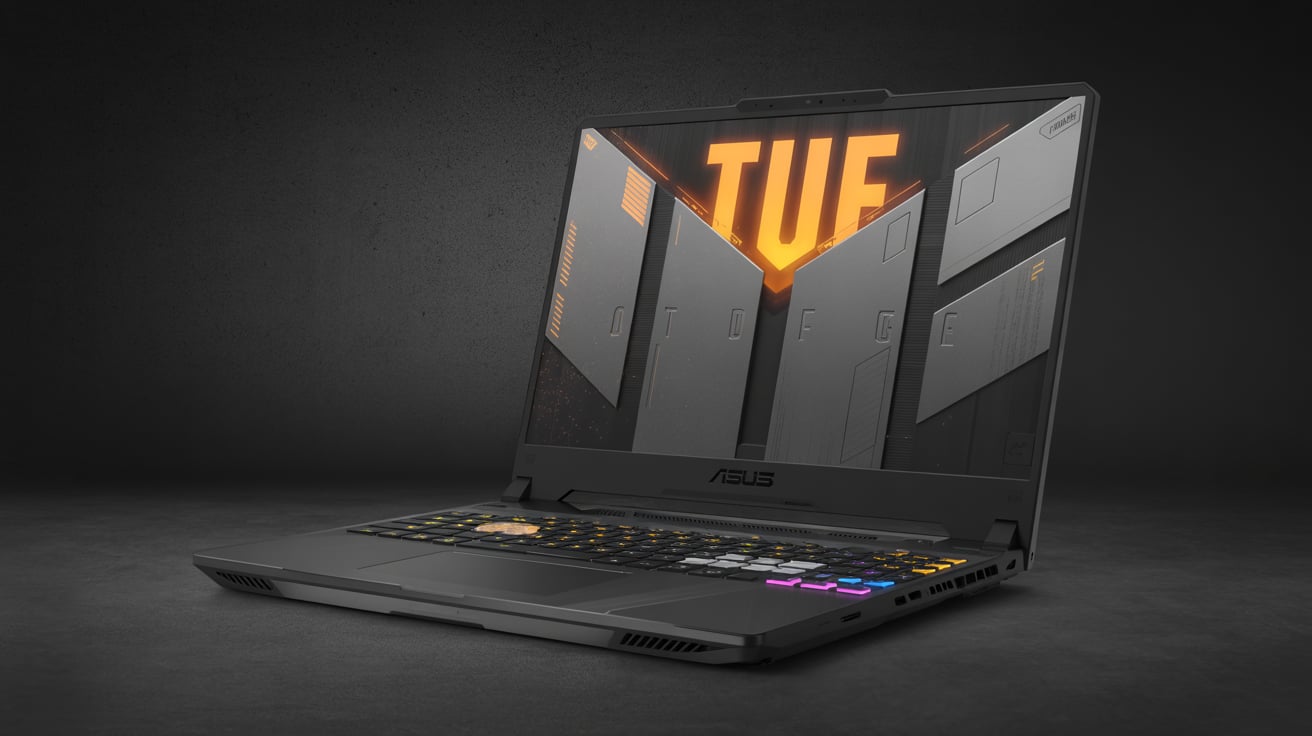
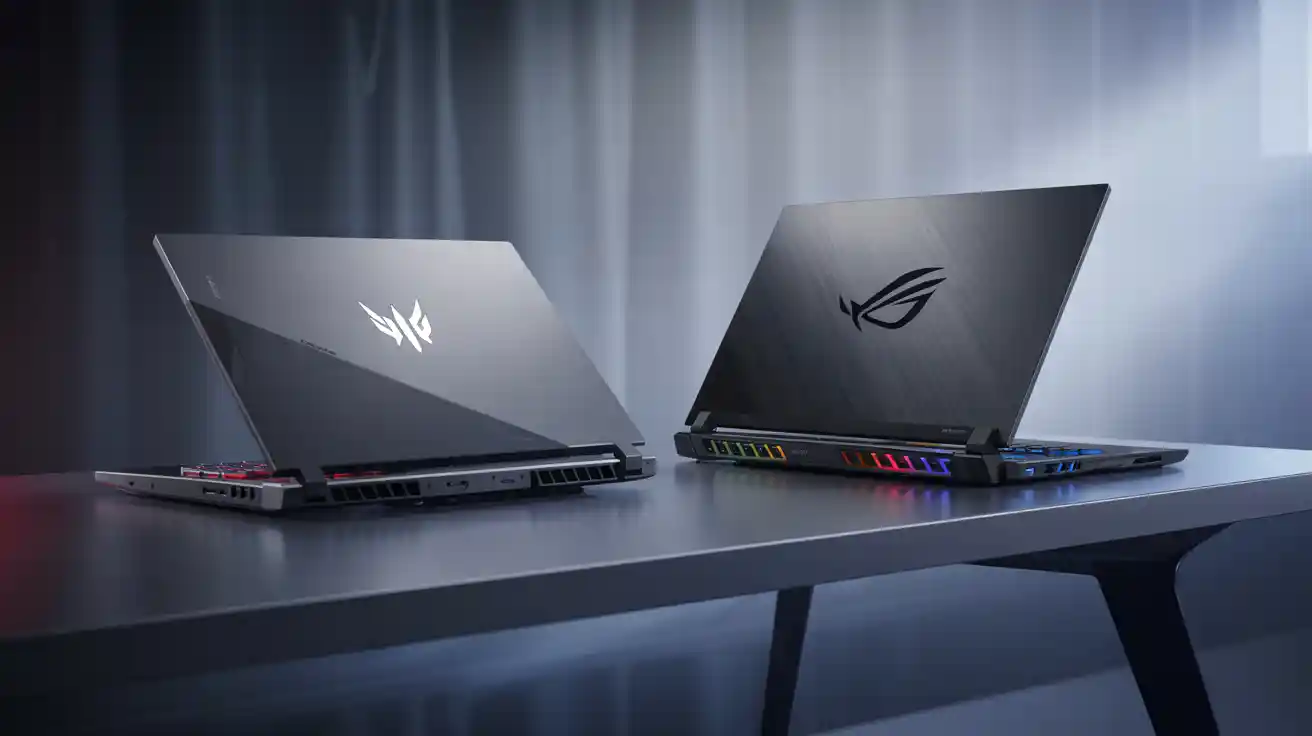
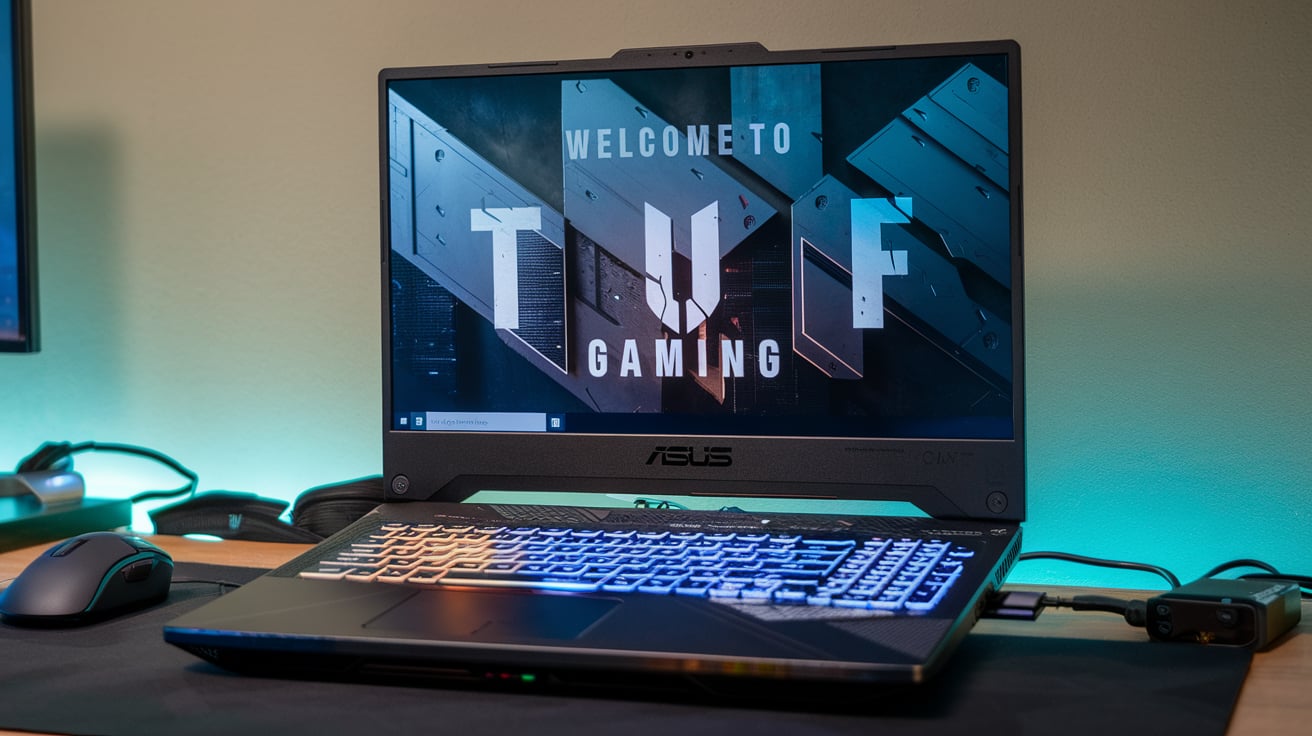
- Aesthetics: The design is rugged, with sharp angles and a bold, almost industrial look. It has a more serious, gaming-centric aesthetic, with a color scheme that includes blacks and grays, accented by the iconic TUF logo. Its appearance is built to make a statement, with angular lines and etched detailing on the lid, making it look both futuristic and tough.
Asus TUF Gaming F16 Design
The F16, in contrast, is a more portable and compact version of the A16, featuring a 15.6-inch screen. It’s designed to be sleek and lightweight, ideal for gamers and professionals who need power in a more travel-friendly package.
- Build Quality: The F16 shares the same military-grade durability as the A16, so it’s just as tough. The materials used are similarly robust, but due to its slimmer profile, it might not feel as substantial as the A16 in hand.
- Portability: Weighing around 1.9 kg (4.2 lbs), the F16 is lighter than the A16, making it easier to carry around for long periods. This makes the F16 a better choice for people who need portability but don’t want to compromise on performance.
- Aesthetics: The design of the F16 is less aggressive compared to the A16, offering a more minimalistic and sleek look. While it still maintains the rugged TUF branding, the F16 has more rounded edges and a thinner overall profile, giving it a more refined appearance that might appeal to those who prefer a subtler look.
2. Display: Screen Size, Refresh Rate, and Visuals
A key component of any gaming laptop is its display. Whether you’re playing your favorite games, editing videos, or watching movies, the quality of the screen can make a significant impact on your overall experience. Let’s take a look at how the A16 and F16 compare in terms of their display technology.
Asus TUF Gaming A16 Display
The A16 comes with a 16-inch Full HD display, providing a larger viewing area that enhances the overall gaming and entertainment experience. The 120Hz refresh rate is perfect for most casual and mid-range gamers, ensuring smooth gameplay without much screen tearing or stuttering.
- Screen Size: The 16-inch display is great for gamers who prefer a larger, more immersive screen experience. It’s especially useful if you enjoy watching movies or playing strategy games where a bigger screen adds to the experience.
- Resolution and Brightness: The display has Full HD resolution (1920 x 1080), which is the standard for gaming laptops at this price point. It’s bright enough for most indoor environments and offers decent color reproduction, though it may not be as vibrant as high-end displays in premium laptops.
- Refresh Rate: The 120Hz refresh rate is good for most users and ensures fluid motion in most games, but if you’re a competitive gamer looking for faster refresh rates, the A16 might not give you the extreme edge offered by some other gaming laptops with 144Hz or higher screens.
Asus TUF Gaming F16 Display
The F16 is equipped with a 15.6-inch Full HD display, which is slightly smaller but still delivers a sharp and detailed view of everything you do. The standout feature of the F16’s display is its 144Hz refresh rate, making it an excellent option for competitive gamers who need ultra-smooth visuals during fast-paced gameplay.
- Screen Size: The 15.6-inch screen is perfect for those who prefer a more compact, portable machine. It strikes a good balance between gaming and portability, giving you a solid experience without feeling too bulky.
- Resolution and Brightness: Like the A16, the F16 offers Full HD resolution, which provides excellent clarity for gaming and general use. While the brightness may not be as high as some premium models, it’s still more than adequate for most situations.
- Refresh Rate: The 144Hz refresh rate is especially beneficial for fast-paced competitive games like Fortnite, Valorant, or Call of Duty, where the smoother the refresh rate, the better your gameplay experience.
3. Performance: Power to Play and Create
When it comes to gaming and content creation, performance is paramount. Let’s dive into how the Asus TUF Gaming A16 and F16 differ in their internal components and performance capabilities.
Asus TUF Gaming A16 Performance
The A16 is powered by the AMD Ryzen 7 7735HS processor, which offers excellent multi-threaded performance, making it great for gaming, streaming, and content creation. This laptop is paired with NVIDIA GeForce RTX 4060 or RTX 4050 graphics cards, both of which deliver smooth performance at 1080p and 1440p settings.
- Processor: The AMD Ryzen 7 7735HS is built for high-performance tasks, offering exceptional processing power for gaming and content creation. It’s especially good at handling multitasking and intensive tasks like video editing, 3D rendering, and more.
- Graphics: The RTX 4060 and RTX 4050 are capable of handling modern games at ultra-settings, while also supporting ray tracing and DLSS for enhanced visual fidelity and frame rates.
- Gaming and Productivity: With these components, the A16 is perfect for gaming at high settings and performing demanding tasks like video editing, 3D modeling, and CAD work.
Asus TUF Gaming F16 Performance
The F16 is powered by the Intel Core i7-13700H processor, an 8-core, 16-thread chip that excels in both single-threaded and multi-threaded applications. This processor, combined with the NVIDIA GeForce RTX 4060 or RTX 4050, provides an excellent gaming and productivity experience.
- Processor: The Intel Core i7-13700H processor is known for its outstanding single-core performance, which is ideal for applications that require fast clock speeds, like gaming and certain types of content creation.
- Graphics: Like the A16, the RTX 4060 or RTX 4050 graphics cards ensure that the F16 can run modern games at high settings with great performance, and it also supports ray tracing for more realistic lighting and reflections.
- Gaming and Productivity: Whether you’re into gaming, 3D rendering, or video editing, the F16 offers a balanced mix of power and performance, capable of handling multitasking with ease.
4. Cooling and Thermals: Managing Heat During Intense Sessions
Effective cooling is crucial in gaming laptops, especially when you’re playing demanding games or using the laptop for long hours. Both the A16 and F16 feature advanced cooling systems, but they differ in how they manage heat.
Asus TUF Gaming A16 Cooling System
The A16 features an advanced dual-fan cooling system, which helps in efficiently dissipating heat, even during long gaming or work sessions. Due to the larger chassis, the A16 has more room for cooling components, resulting in lower temperatures under load.
- Cooling Performance: The larger body and increased cooling capacity make the A16 an excellent choice for extended gaming sessions or high-performance workloads. The fans work quietly while maintaining good thermal efficiency.
Asus TUF Gaming F16 Cooling System
The F16 also has a dual-fan cooling system, but because it’s designed to be slimmer, it may not be as effective as the A16 under extreme conditions. The cooling is still quite capable, ensuring that the laptop remains within safe temperatures during typical use.
- Thermal Performance: For gaming sessions or light rendering tasks, the F16’s cooling system works well. However, under heavy loads, it might heat up faster than the A16 due to its smaller design.
5. Battery Life: Power On the Go
Battery life is an important consideration, especially if you need a laptop that can last through long gaming or work sessions without constantly plugging in.
Asus TUF Gaming A16 Battery Life
The A16 comes with a 90Wh battery, offering 6 to 8 hours of general usage such as web browsing or video streaming. When gaming, the battery lasts about 2 to 3 hours. For demanding tasks, it’s recommended to keep the laptop plugged in for optimal performance.
Asus TUF Gaming F16 Battery Life
The F16 features a 76Wh battery, providing around 5 to 7 hours of standard usage. For gaming, it will last a bit less, around 2 hours. However, thanks to its lighter weight and smaller battery, it can last a little longer in normal tasks compared to the A16, but it still requires frequent recharging during heavy gaming.
6. Conclusion: Which One is Right for You?
Both the Asus TUF Gaming A16 and Asus TUF Gaming F16 are excellent gaming laptops that offer solid performance, durability, and value for money. The decision between the two ultimately comes down to your priorities—whether you value a larger screen and better cooling or prefer a more portable design with faster refresh rates for competitive gaming.
The Asus TUF Gaming A16 is ideal for those who want a larger display for a more immersive experience. The 16-inch screen, coupled with superior cooling, makes it an excellent choice for long gaming sessions or demanding content creation tasks like video editing or 3D rendering. Its slightly bulkier build allows for better thermal management, ensuring consistent performance during heavy use. If you need a laptop that can handle more intense workloads and you’re willing to trade a bit of portability for performance, the A16 is the way to go.
On the other hand, the Asus TUF Gaming F16 is perfect for users who need a more portable and lightweight laptop. The 15.6-inch screen strikes a good balance between size and portability, while the 144Hz refresh rate is ideal for competitive gamers who need smooth visuals for fast-paced titles. It offers excellent performance in a slim package, making it a great option for those who need power on the go without sacrificing too much portability.
Ultimately, both models provide excellent gaming performance, so the choice depends on whether you need more screen real estate and cooling or a portable, high-refresh-rate option for gaming.