 Ekasjot_Singh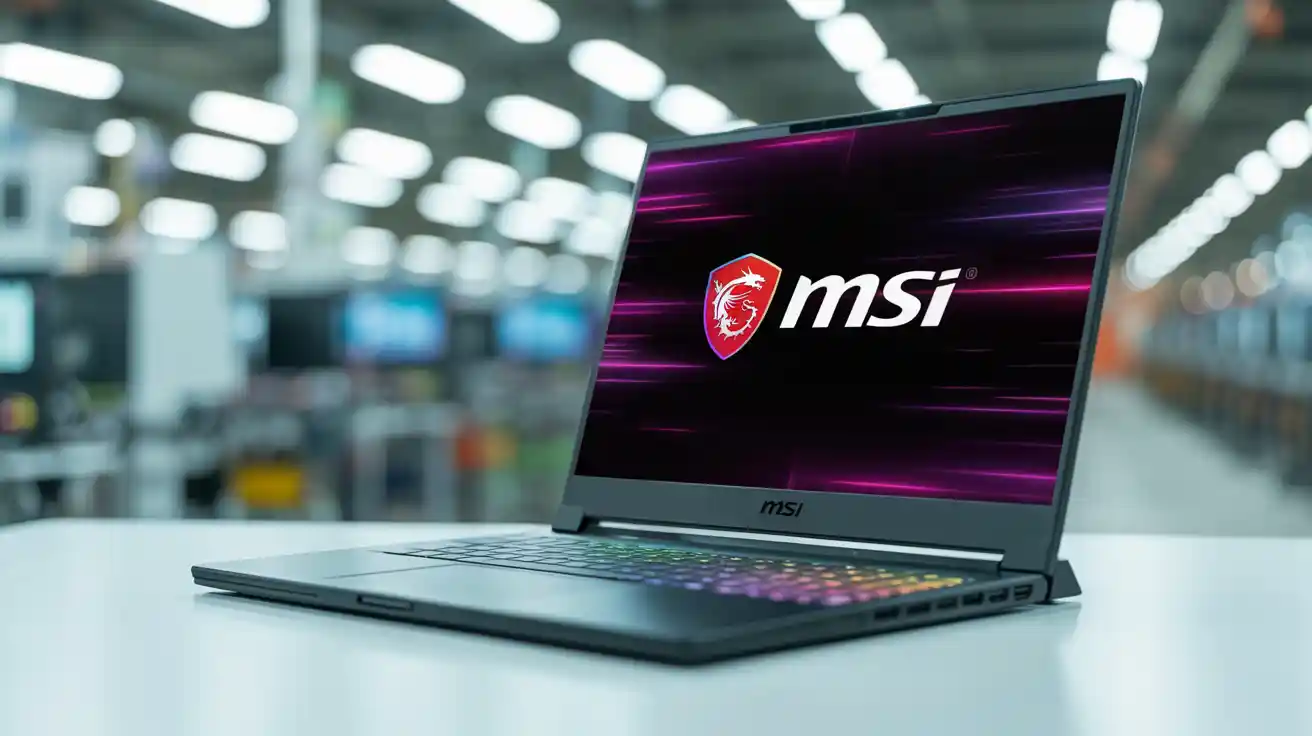
Introduction
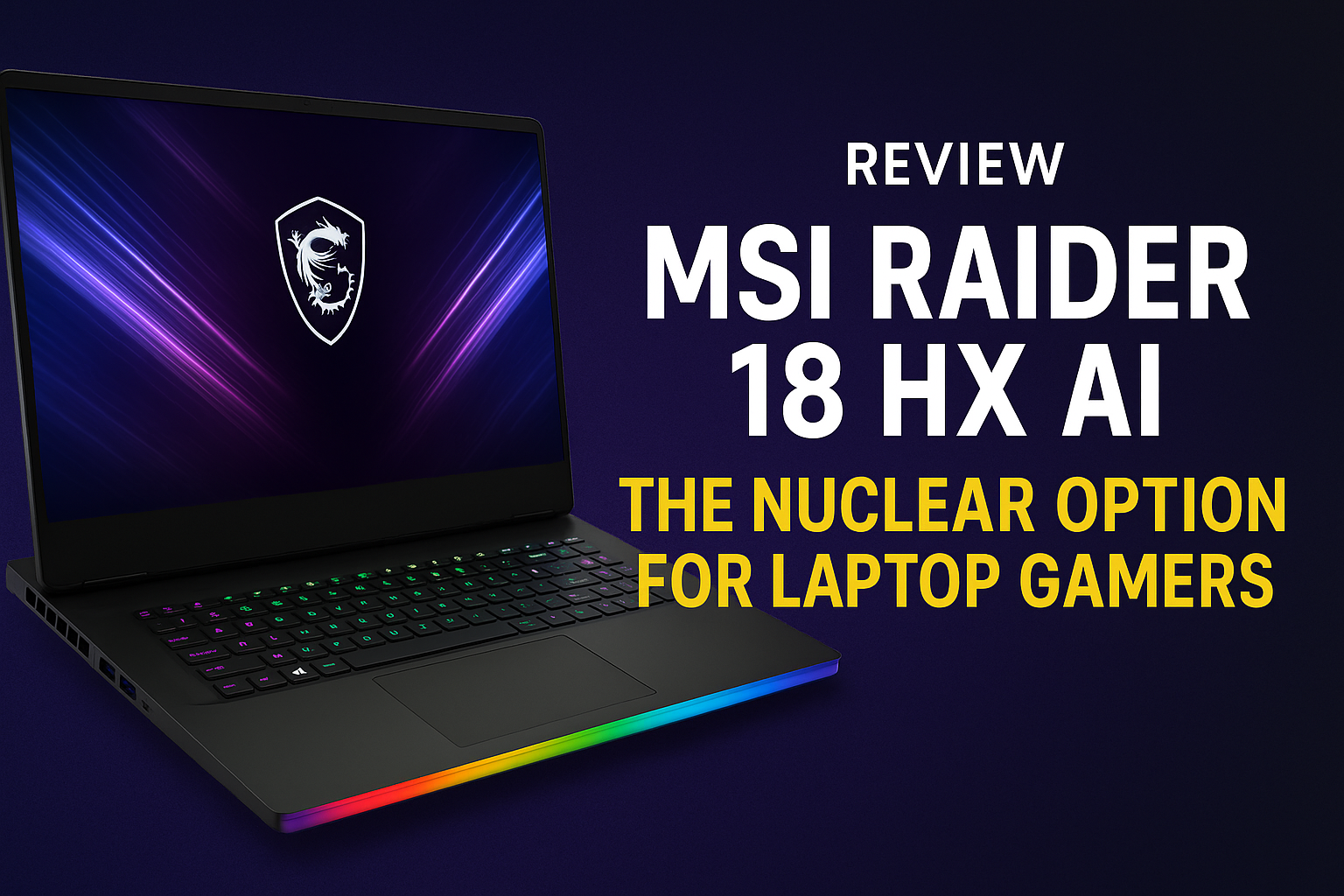
In the last few years, India has become one of the fastest-growing markets for gaming laptops and high-performance computers. With the rising demand, many global technology companies have turned their attention toward the Indian market, not only as a customer base but also as a potential manufacturing hub. One such company is MSI (Micro-Star International), a well-known brand in the world of gaming laptops, PCs, and computer hardware.
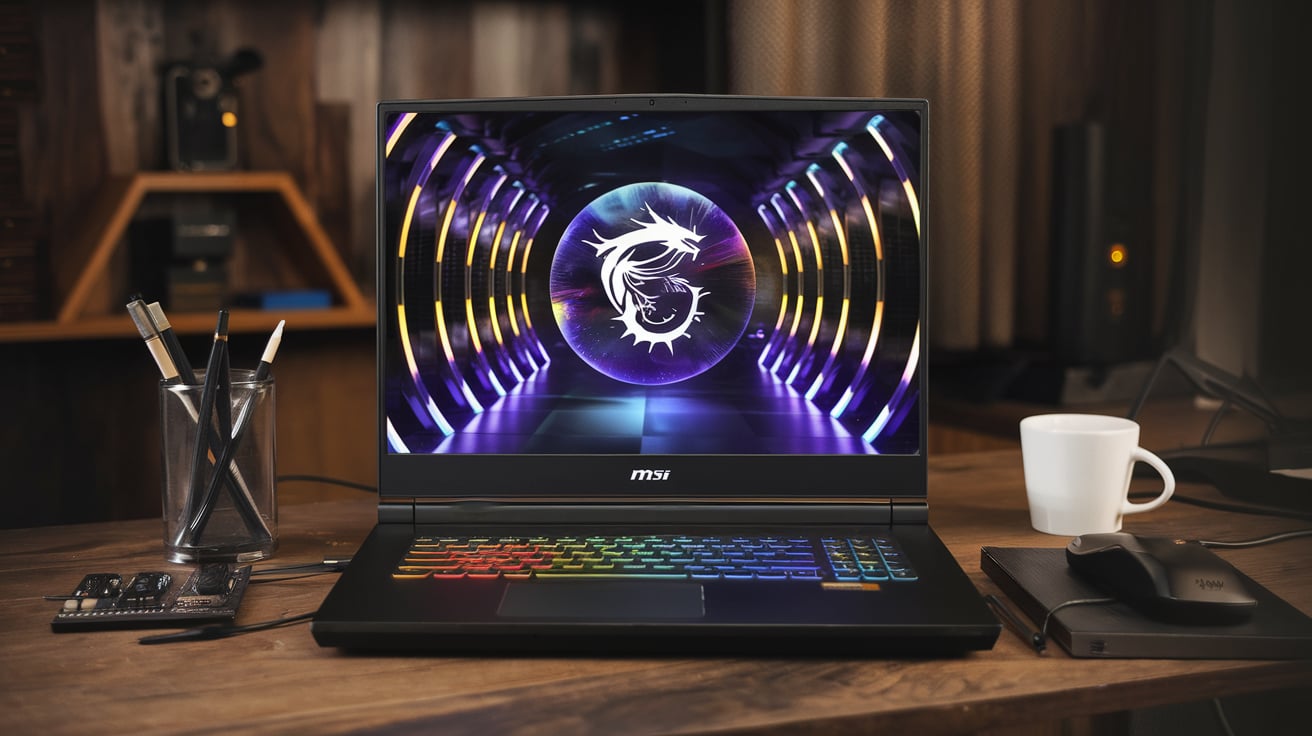
MSI recently announced that it is expanding its ‘Make in India’ initiative by starting the manufacturing of two of its popular gaming laptop series – the Katana and the Crosshair. This move is not only a big step for MSI but also a huge boost to the Indian government’s ‘Make in India’ campaign, which aims to encourage companies to set up local manufacturing and reduce dependence on imports.
In this article, we will explore the details of MSI’s expansion in India, what it means for the Indian market, how it benefits gamers, and why the Katana and Crosshair laptops are so important in this journey. We will also look at the wider context of gaming in India, government policies, and the future of the gaming laptop industry.
Chapter 1: Understanding the ‘Make in India’ Initiative
1.1 What is ‘Make in India’?
‘Make in India’ is a program launched by the Government of India in 2014. The main goal of this campaign is to encourage both Indian and foreign companies to manufacture products within India. By doing so, the government hopes to create more jobs, improve skill development, boost exports, and reduce the need to import costly products from other countries.
The initiative covers many industries, including electronics, automobiles, defense, textiles, and information technology. For the electronics and computer industry, it is especially important because India has a huge demand for laptops, smartphones, and gaming devices.
1.2 Why ‘Make in India’ Matters for Technology
- India is one of the largest consumers of smartphones, laptops, and electronic gadgets.
- Most of these gadgets are imported from countries like China, Taiwan, and South Korea.
- Local manufacturing means reduced costs, better supply chain management, and faster availability of new products.
- It also creates a strong ecosystem of suppliers, vendors, and skilled workers in India.
1.3 Government Support
To support companies, the Indian government has introduced several policies such as:
- PLI (Production-Linked Incentive) Scheme: Provides financial benefits to companies that manufacture in India.
- Reduced Import Duties: Encouraging parts assembly and full-device production locally.
- Tax Benefits and Infrastructure Development: To make India a favorable location for manufacturing.
Chapter 2: MSI – A Global Gaming Brand
2.1 About MSI
Micro-Star International (MSI) is a Taiwanese multinational company founded in 1986. MSI is one of the world’s leading brands in gaming laptops, motherboards, graphics cards, and gaming monitors. Known for performance, innovation, and design, MSI has a strong presence in countries across Asia, Europe, and North America.
2.2 MSI in India
- MSI entered the Indian market several years ago with a focus on gaming laptops and components.
- Over the years, MSI has built a loyal customer base in India, especially among gamers, streamers, content creators, and professionals who need powerful laptops.
- The Indian market has shown consistent growth, making it one of MSI’s most important regions.
2.3 MSI’s Vision
MSI’s vision is to deliver high-quality gaming products at competitive prices while expanding accessibility. With the local manufacturing of Katana and Crosshair series laptops, MSI is showing its commitment to making gaming laptops more affordable and widely available in India.
Chapter 3: Why India is Important for MSI
3.1 The Growth of Gaming in India
- India has a population of over 1.4 billion people, with a young demographic that is highly interested in technology and gaming.
- The rise of affordable internet and smartphones has created a huge gaming community.
- Esports has become a career option, with Indian players competing in global tournaments.
- Demand for gaming laptops is increasing because they are portable, powerful, and versatile.
3.2 Rising Laptop Demand
According to industry reports, India’s gaming laptop market has grown significantly in the last five years. This growth is driven by:
- Online education and remote work.
- Increase in PC gaming.
- Growth of content creation, streaming, and video editing.
- Affordable finance options (EMI, buy-now-pay-later).
3.3 India as a Manufacturing Hub
India provides:
- Skilled workforce in IT and electronics.
- Cost advantages compared to other countries.
- Huge local demand to support production.
- A strategic location for exporting to nearby countries.
Chapter 4: MSI’s Expansion – Katana and Crosshair Series Manufacturing
4.1 What is New?
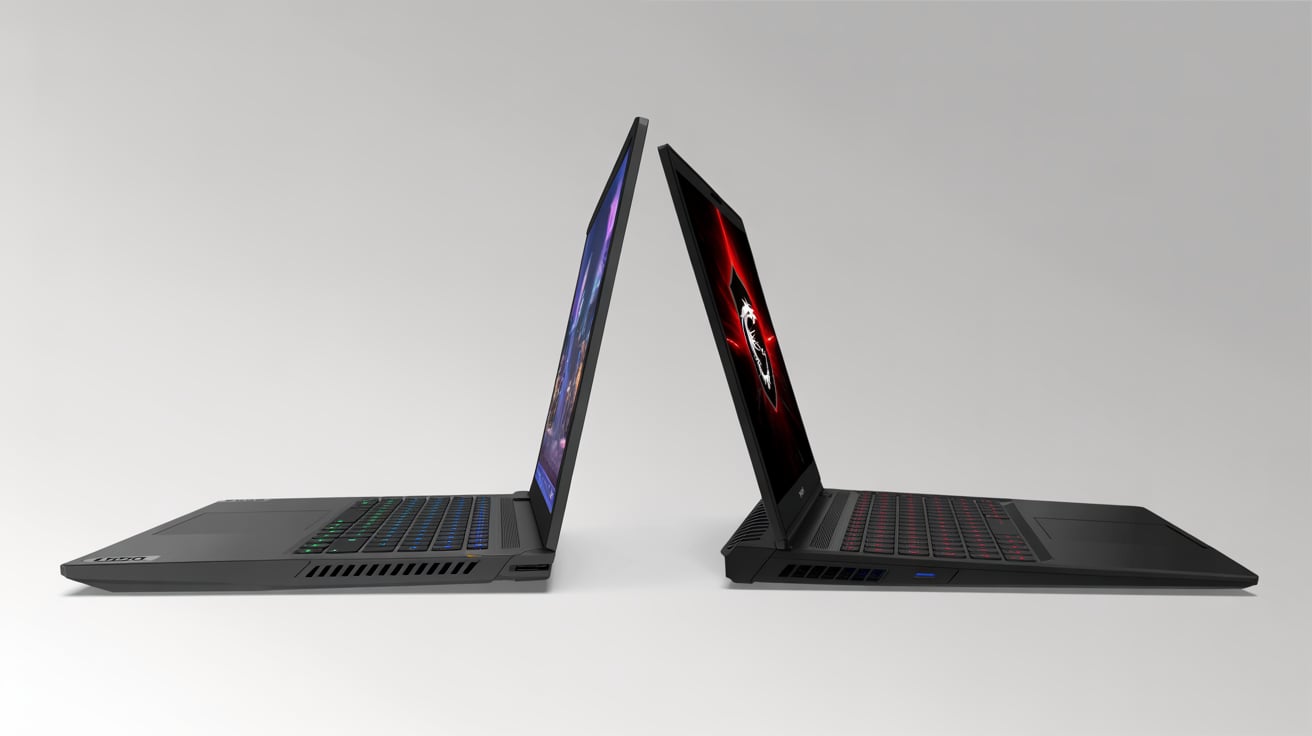
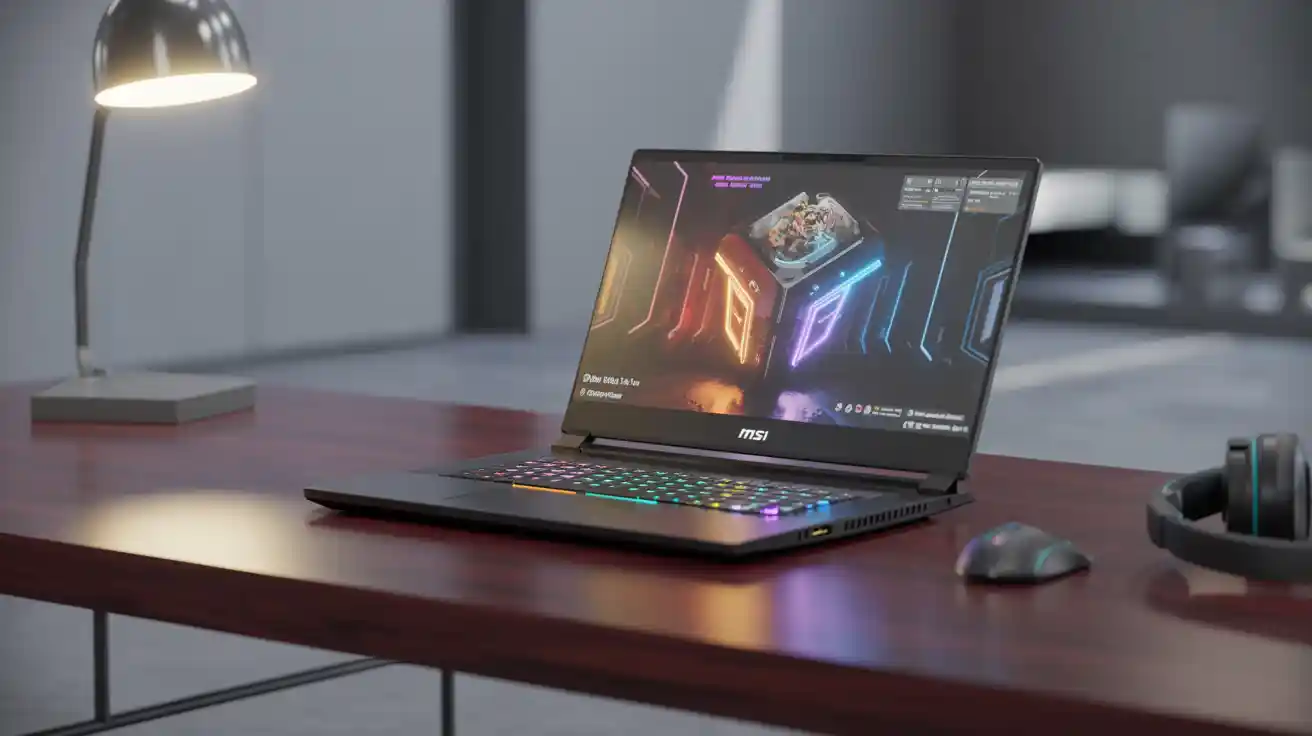
MSI has officially announced that it will manufacture the Katana and Crosshair series laptops in India. These models are already popular worldwide, and now Indian consumers will get them faster and possibly at lower prices.
4.2 Why Katana and Crosshair?
- The Katana series is known for affordability, stylish design, and solid gaming performance. It is perfect for gamers who want good performance without spending too much.
- The Crosshair series is targeted at serious gamers and esports enthusiasts, offering higher specs, premium build quality, and powerful features.
- By manufacturing both series locally, MSI is targeting both mid-range and premium markets in India.
4.3 Benefits of Local Manufacturing
- Reduced prices due to lower import costs.
- Better after-sales service with local spare parts availability.
- Faster product launches in India, in line with global releases.
- Job creation in manufacturing and supply chains.
Chapter 5: MSI Katana Series – Designed for Affordable Gaming
5.1 Overview
The Katana series has always been focused on delivering value-for-money gaming laptops. Named after the Japanese sword “Katana,” these laptops are designed to be sleek, powerful, and reliable.
5.2 Features
- Latest Intel or AMD processors
- NVIDIA GeForce RTX graphics cards
- High-refresh-rate displays (up to 144Hz/165Hz)
- Backlit keyboards for a gaming feel
- Lightweight and stylish design
5.3 Target Audience
The Katana series is perfect for:
- Students who want to game and study on the same laptop.
- Gamers looking for budget-friendly performance.
- Casual streamers and content creators.
Chapter 6: MSI Crosshair Series – Built for Hardcore Gaming
6.1 Overview
The Crosshair series is one of MSI’s premium gaming laptop lineups. Designed for competitive gamers, this series is built with cutting-edge hardware and advanced cooling systems.
6.2 Features
- High-end Intel or AMD CPUs
- NVIDIA GeForce RTX 40-series GPUs
- QHD+ displays with high refresh rates (240Hz and above)
- RGB mechanical keyboards
- Advanced cooling with Cooler Boost technology
6.3 Target Audience
The Crosshair series is made for:
- Professional esports players.
- Hardcore gamers who demand ultra-performance.
- Content creators working with 4K video editing, 3D modeling, or game development.
Chapter 7: Impact of MSI’s Local Manufacturing
7.1 For Gamers
- Affordable pricing.
- More model choices.
- Faster availability of new laptops.
7.2 For India
- Boosts local manufacturing.
- Supports the ‘Digital India’ and ‘Skill India’ missions.
- Helps in building India as a global hub for gaming technology.
7.3 For MSI
- Stronger market presence.
- Improved brand loyalty in India.
- Competitive advantage against other brands like ASUS, Acer, HP, and Dell.
Chapter 8: Competition and Market Scenario
8.1 Competitors
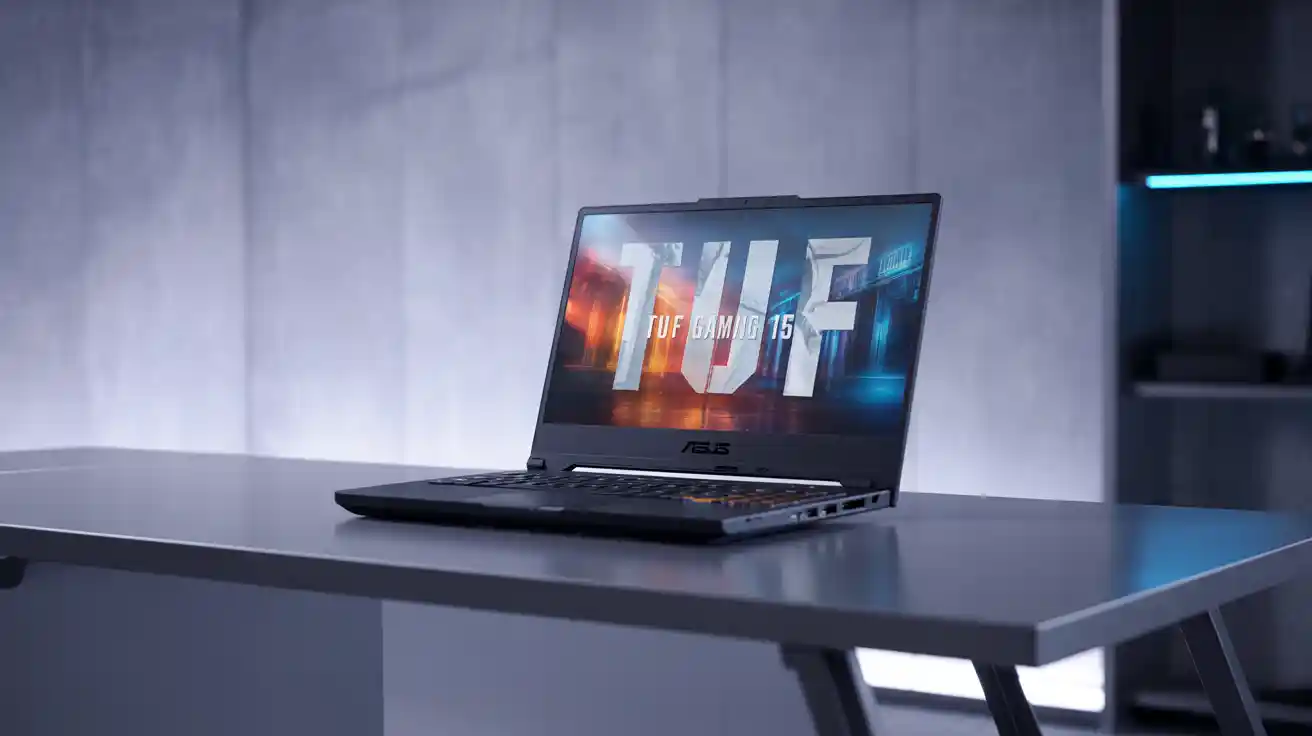
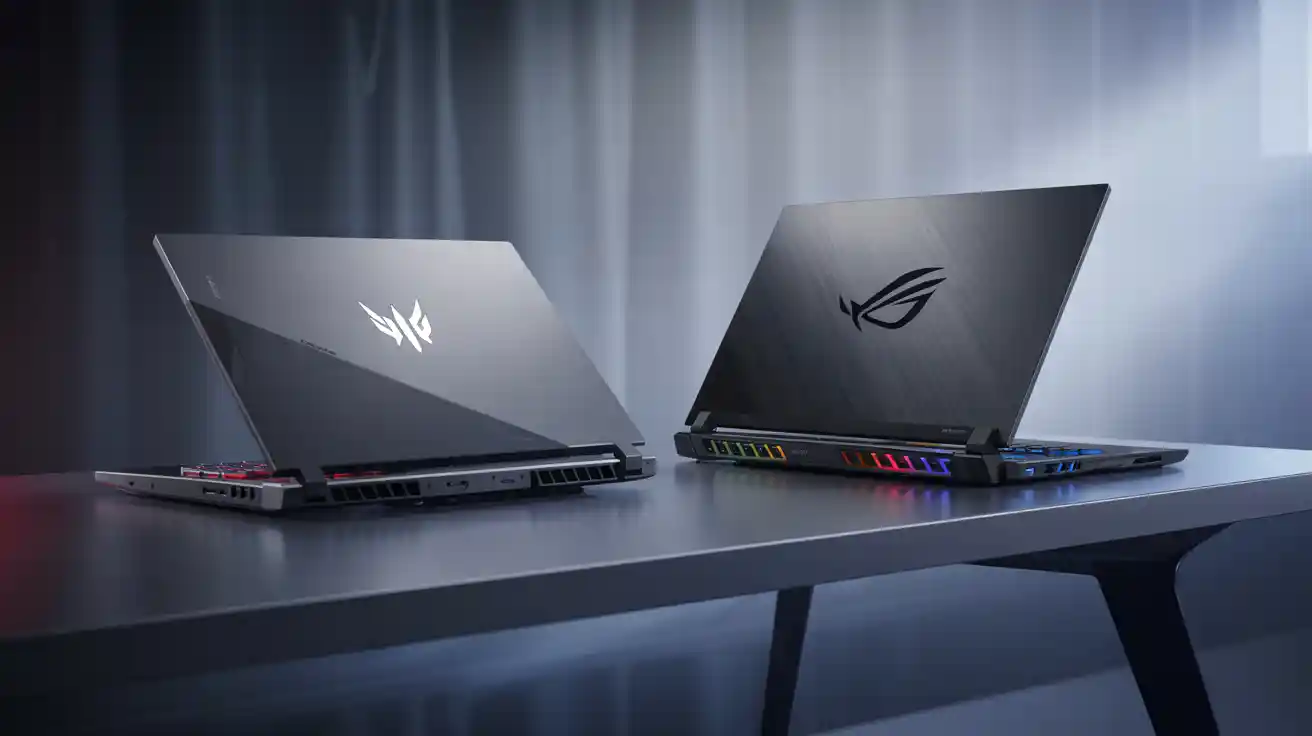
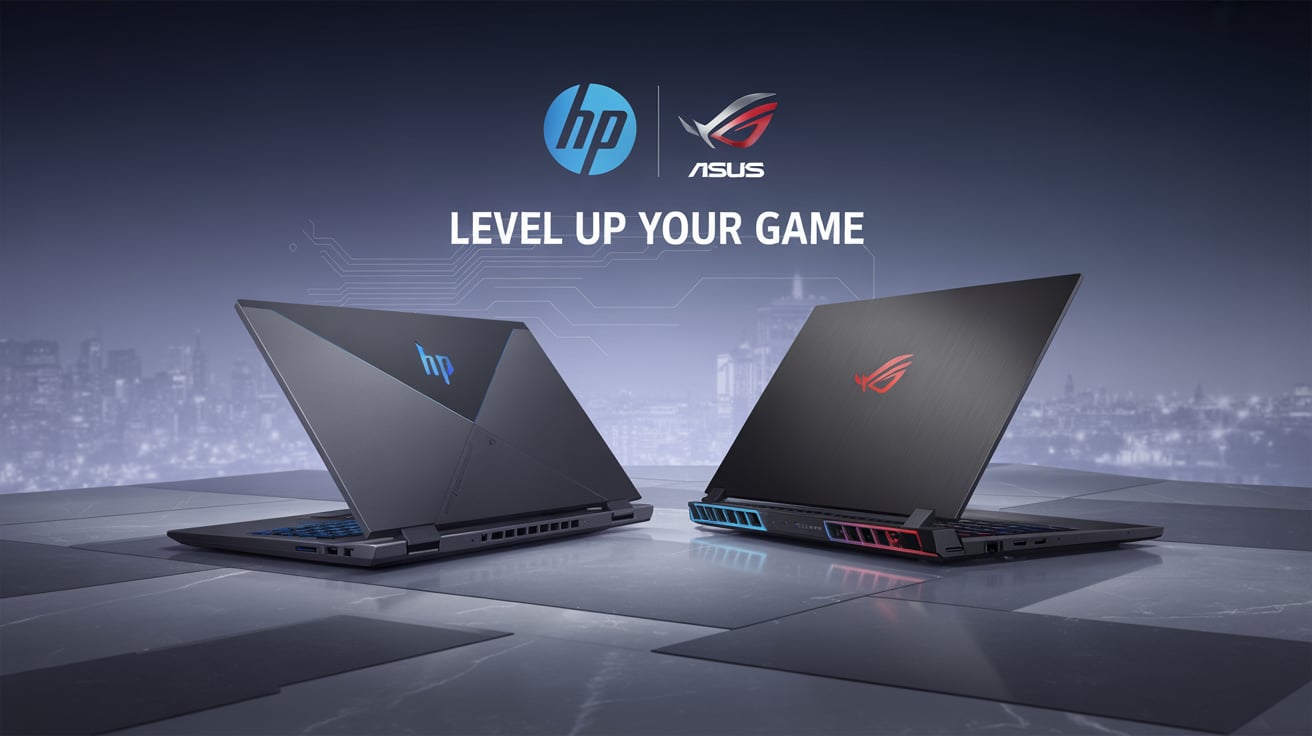
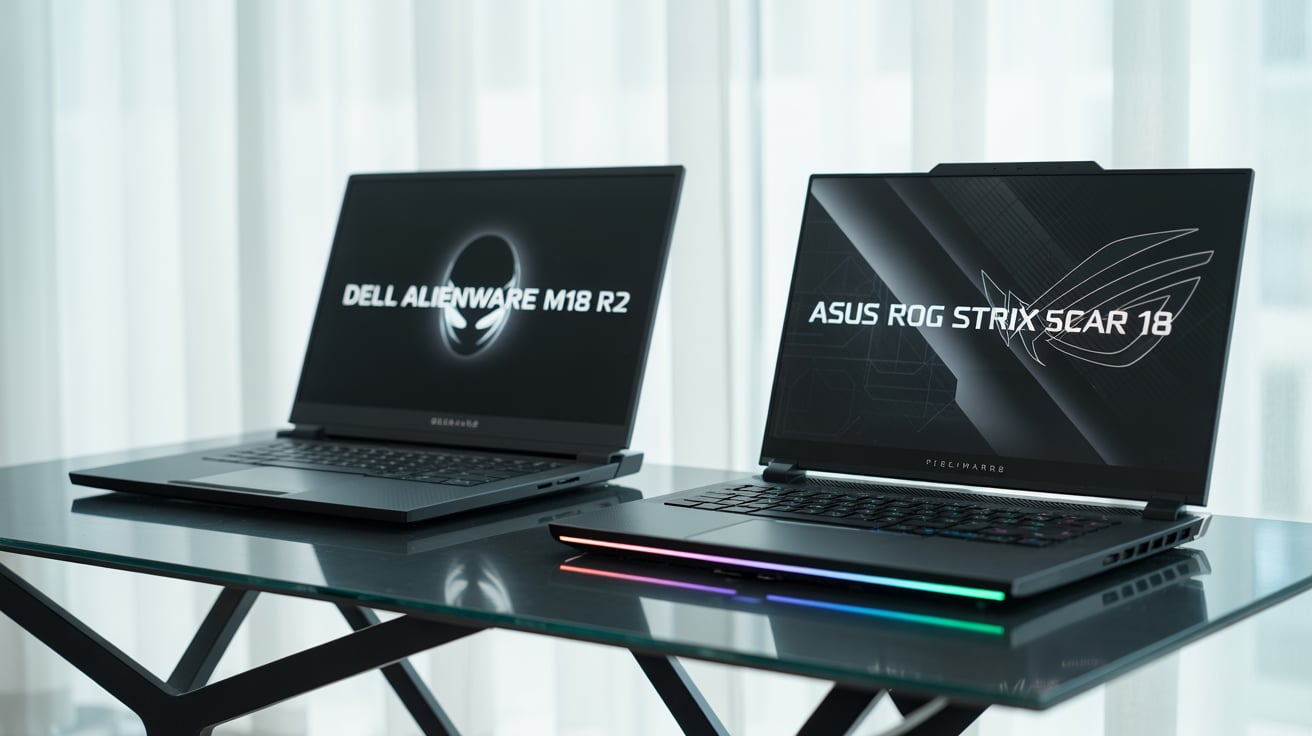
- ASUS ROG and TUF: Already popular in India with local assembly.
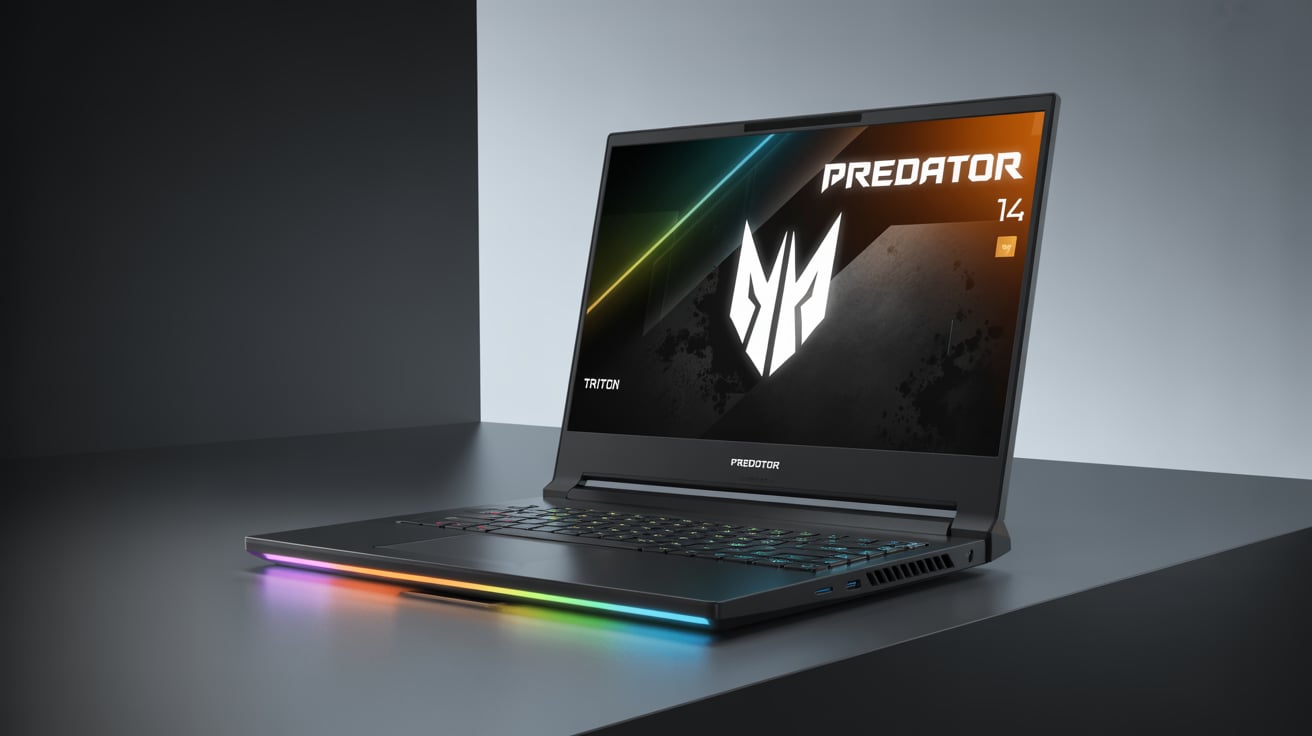
- Acer Predator and Nitro: Affordable and well-established.
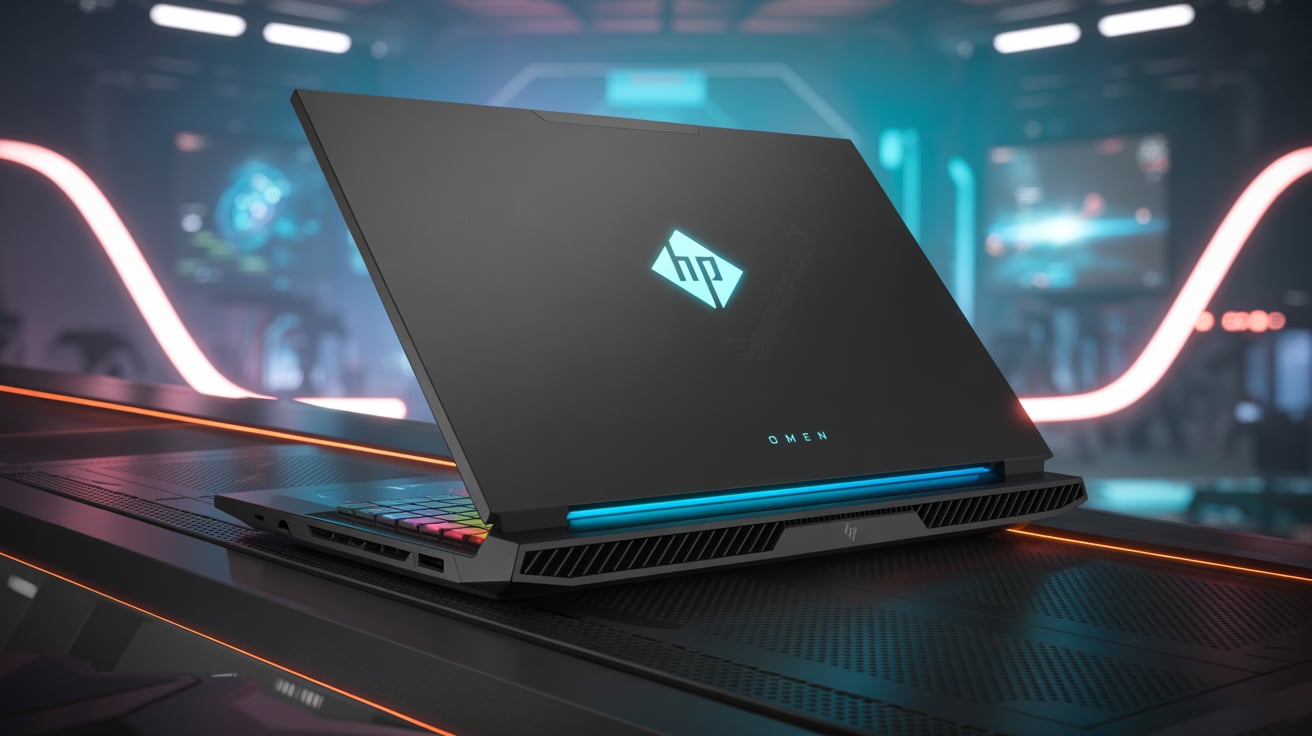
- HP Omen and Victus: Known for premium build and wide service network.
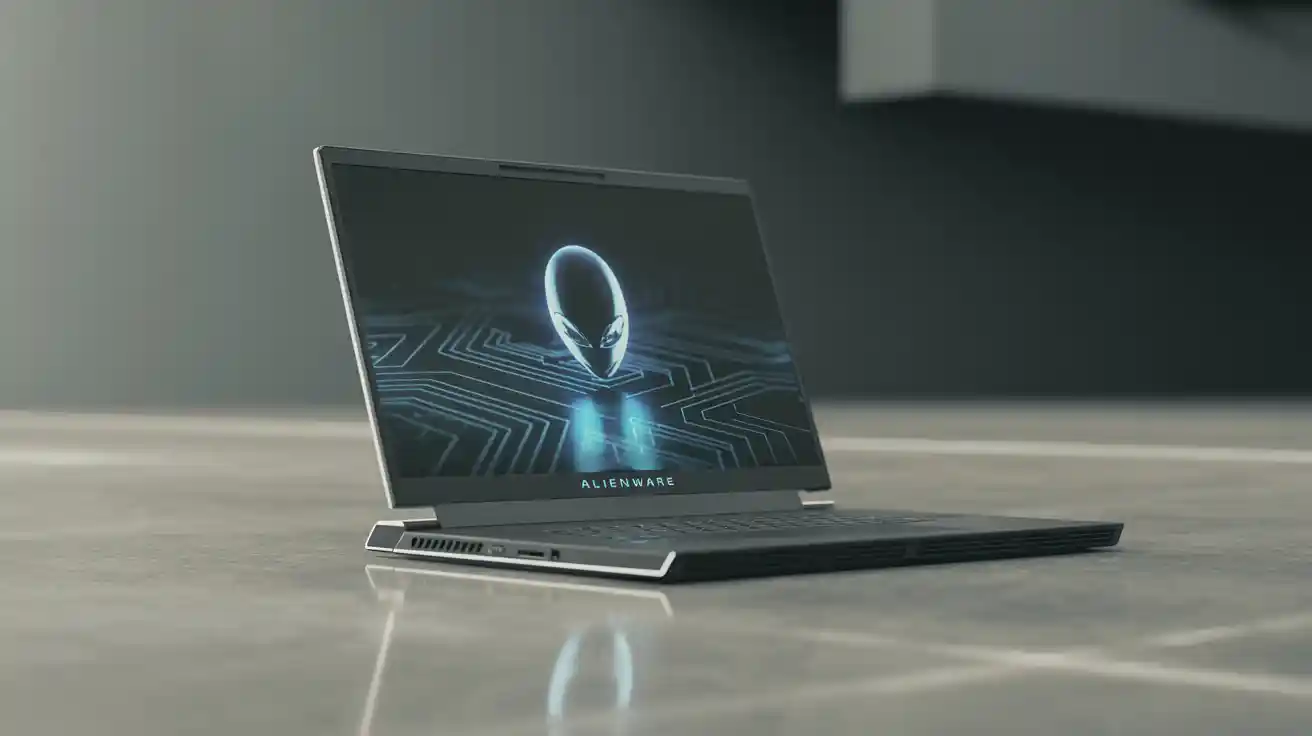
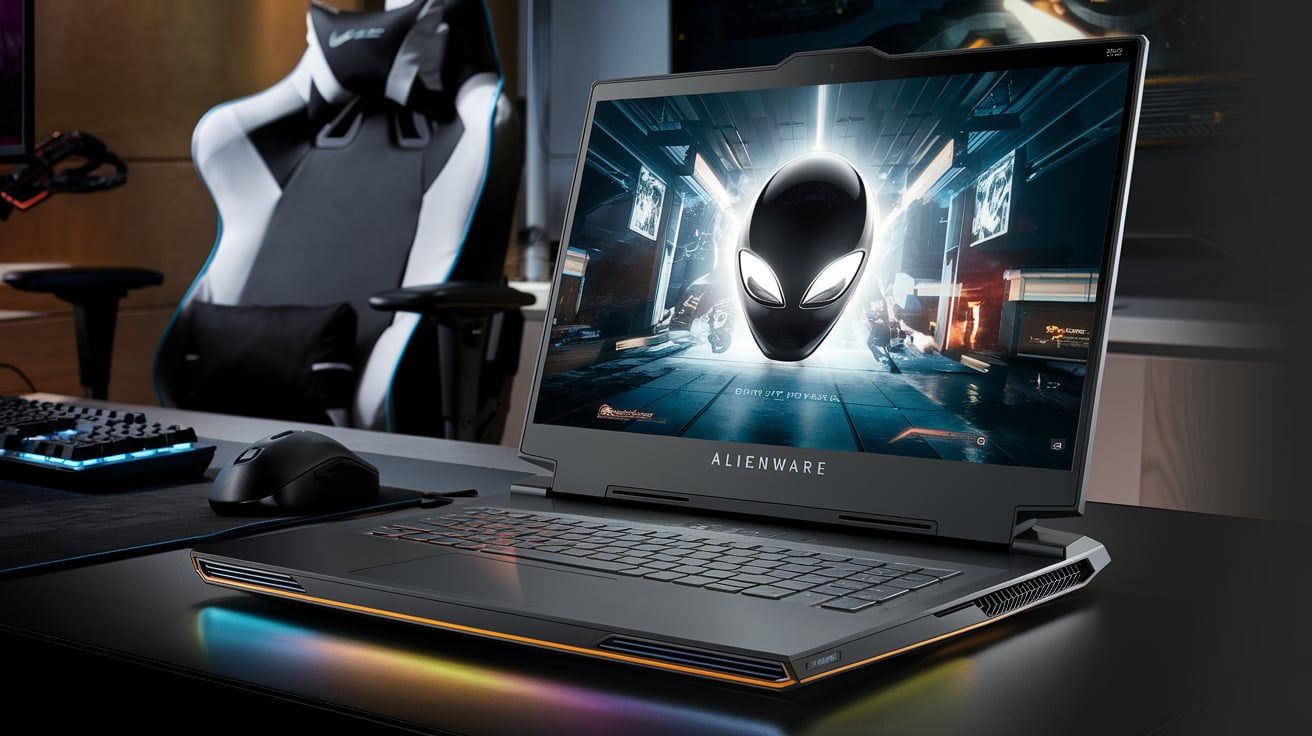
- Dell Alienware and G-series: Trusted brand with strong support.
8.2 MSI’s Edge
By starting local manufacturing, MSI can directly compete with these brands by offering:
- Lower prices
- Better support
- Premium features in mid-range laptops
Chapter 9: The Future of Gaming Laptops in India
9.1 Trends
- Growth of cloud gaming and AI-powered laptops.
- Increasing use of high-refresh-rate displays.
- More focus on lightweight but powerful designs.
- Affordable financing and EMI options making gaming laptops accessible.
9.2 MSI’s Role
MSI’s expansion ensures that Indian gamers will get access to the latest gaming technology without delay. With Katana and Crosshair series being locally made, MSI is likely to bring more models in the future.
Chapter 10: Detailed Comparison: MSI Katana vs MSI Crosshair
Feature | MSI Katana Series | MSI Crosshair Series |
Target Audience | Budget-friendly gamers, students, casual streamers | Hardcore gamers, esports professionals, creators |
CPU Options | Intel Core i5/i7 or AMD Ryzen 5/7 | Intel Core i7/i9 or AMD Ryzen 7/9 |
GPU Options | NVIDIA GeForce RTX 4050 / 4060 | NVIDIA GeForce RTX 4070 / 4080 / 4090 |
Display | 15.6” or 17.3” FHD, up to 165Hz | 15.6” or 17.3” QHD+, up to 240Hz/300Hz |
Keyboard | Single-zone backlit (red/white) | Per-key RGB mechanical keyboard |
Cooling | Basic dual-fan cooling | Advanced Cooler Boost technology |
Weight | ~2.2 kg | ~2.6 – 3 kg |
Price Range (India) | ₹85,000 – ₹1,20,000 | ₹1,40,000 – ₹2,50,000+ |
Best For | Affordable gaming + multitasking | Esports, content creation, ultra-performance |
Chapter 11: MSI vs Competitor Brands in India (2025 Scenario)
Brand & Series | Strengths | Weaknesses | Price Range in India |
MSI Katana/Crosshair | Strong GPU performance, stylish, now locally made → lower cost | Service centers fewer than ASUS/HP | ₹85,000 – ₹2,50,000 |
ASUS ROG / TUF | Big community in India, wide variety, excellent service | Higher pricing in some models | ₹90,000 – ₹2,80,000 |
Acer Nitro / Predator | Affordable, good mid-range laptops | Build quality less premium | ₹75,000 – ₹2,00,000 |
HP Omen / Victus | Strong after-sales support, wide reach in India | Gaming design less flashy | ₹90,000 – ₹2,40,000 |
Dell Alienware / G-series | Premium design, reliability | Very expensive compared to MSI | ₹1,20,000 – ₹3,50,000 |
With local manufacturing, MSI gains an edge by reducing prices while keeping strong gaming features.
Chapter 12: Gaming Performance Benchmarks (Estimated FPS)
Tested on MSI Katana (RTX 4060, i7 13th Gen) and MSI Crosshair (RTX 4080, i9 13th Gen). Settings: High / Ultra, 1080p and 1440p.
Game Title | MSI Katana (RTX 4060, 1080p High) | MSI Crosshair (RTX 4080, 1440p Ultra) |
GTA V | ~95 FPS | ~180 FPS |
Cyberpunk 2077 | ~60 FPS | ~130 FPS |
Call of Duty: Warzone | ~110 FPS | ~200 FPS |
Valorant | ~220 FPS | ~400 FPS |
Red Dead Redemption 2 | ~70 FPS | ~140 FPS |
Fortnite | ~120 FPS | ~240 FPS |
Insight: Katana series gives smooth 1080p gaming at high settings, while Crosshair is built for 1440p/4K gaming with max settings.
Chapter 13: Future Outlook – Indian Gaming Laptop Market (2025-2030)
Trend | What It Means | MSI’s Role |
AI-powered Laptops | Integration of AI chips for optimization and productivity | MSI already experimenting with AI-enhanced cooling and gaming features |
Rise of Esports in India | More tournaments, larger prize pools → bigger demand for gaming laptops | Crosshair laptops will target pro gamers |
Affordable Gaming Laptops | Demand for budget devices under ₹1,00,000 | Katana series is MSI’s answer |
5G and Cloud Gaming | Play AAA games via streaming without heavy hardware | MSI may launch cloud-ready laptops |
Local Manufacturing Growth | Lower import taxes, better service | MSI’s Make in India expansion is a head-start |
Chapter 14: Which one you like
MSI’s expansion of its ‘Make in India’ initiative by starting the local manufacturing of Katana and Crosshair laptops is a landmark decision that will change India’s gaming landscape.
- Katana: Affordable and stylish, best for everyday gamers.
- Crosshair: Premium and powerful, best for esports and creators.
- Impact: Lower prices, better support, and more choices for Indian gamers.
With these steps, MSI not only strengthens its market presence but also contributes to India’s dream of becoming a global hub for gaming and electronics manufacturing.
Conclusion
MSI’s decision to expand its ‘Make in India’ initiative by manufacturing the Katana and Crosshair series laptops locally is a game-changing move. It benefits not just gamers but also the Indian economy by creating jobs, reducing imports, and supporting government initiatives.
For gamers, this means better pricing, faster availability, and improved service. For India, it’s another step toward becoming a global hub for gaming and high-performance computing.
As the Indian gaming industry grows, moves like this will ensure that the country is not just a market for global brands but also a manufacturing powerhouse that can lead innovation in the tech world.