 Ekasjot_Singh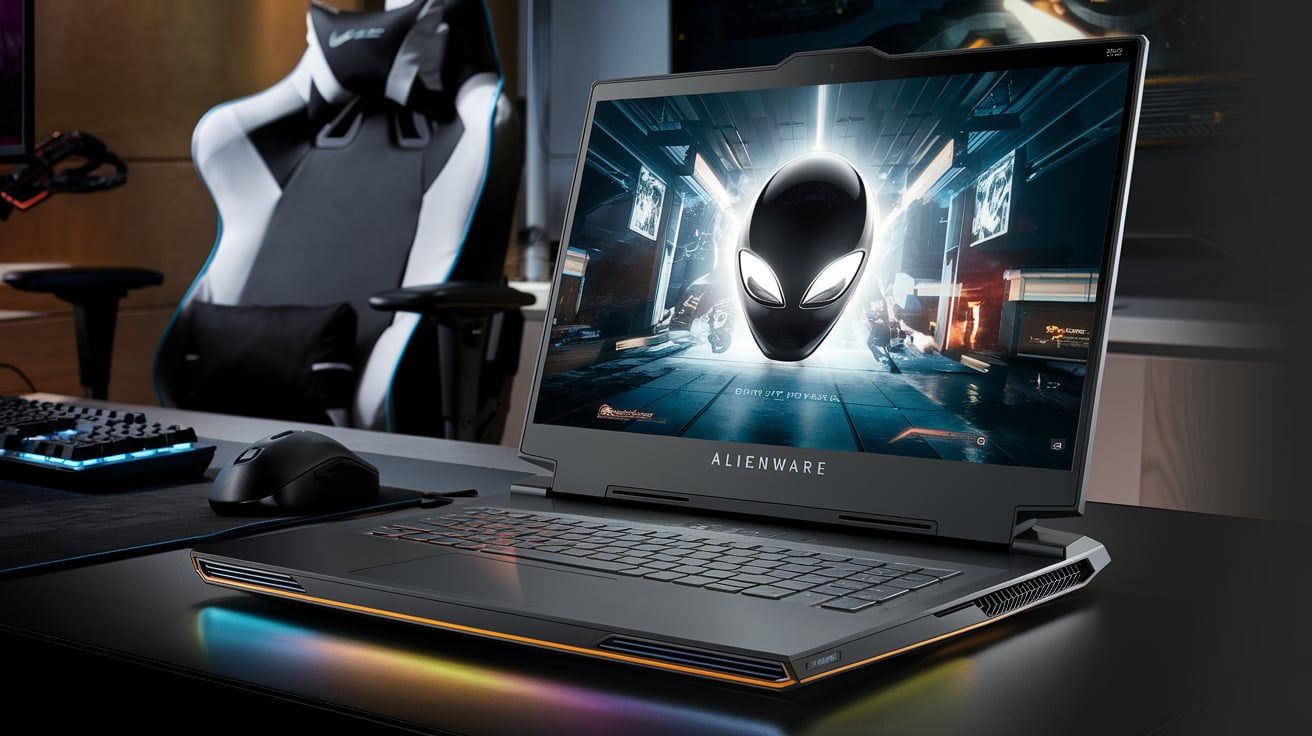
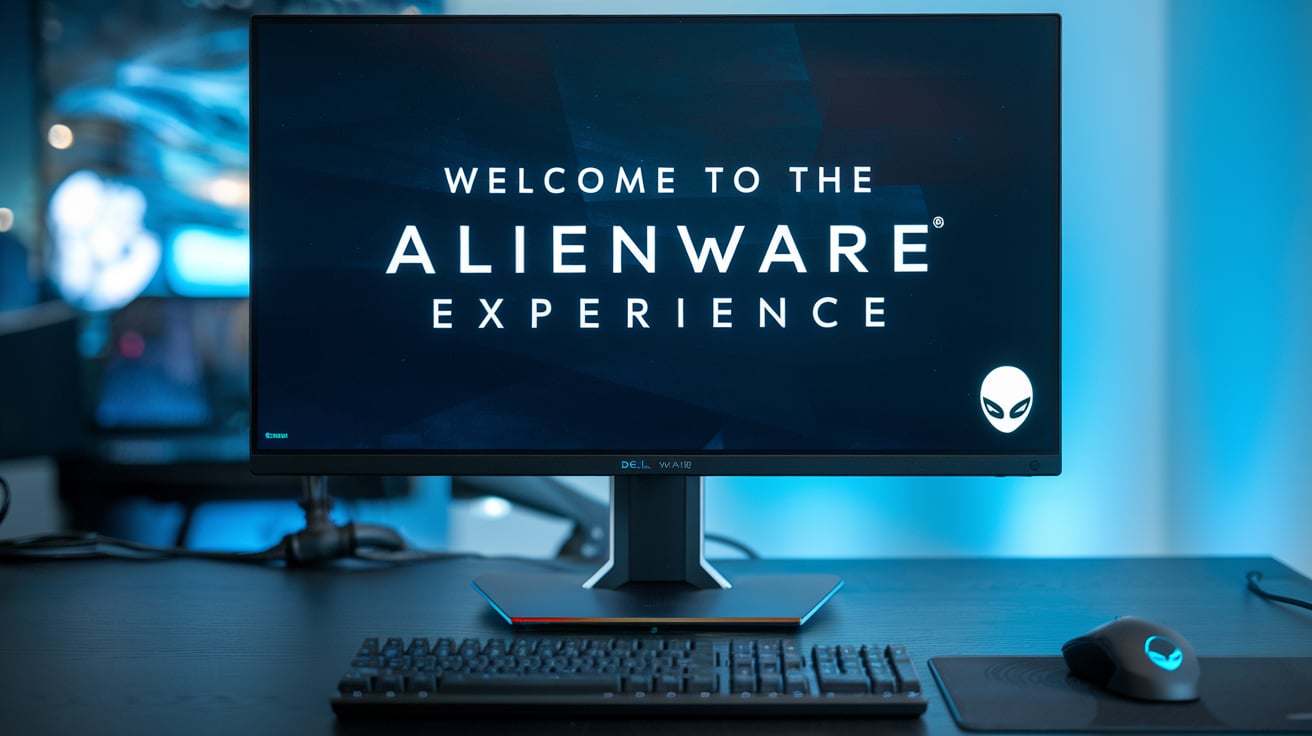
Alienware is one of the most famous names in the gaming world. Known for its bold designs, powerful hardware, and premium branding, Alienware laptops are often seen as the Ferrari of gaming computers. Owned by Dell, Alienware has built a strong reputation over the years, especially among professional gamers and tech lovers.
But here’s the twist—while many gamers love Alienware laptops, many others don’t. Some call them overpriced. Others think they are bulky and not worth the money. This difference in opinion makes Alienware one of the most talked-about and debated gaming laptop brands in the market.
So, what exactly makes Alienware laptops so divisive among gamers? In this article, we will explore both sides of the argument. We will look at the reasons why some people absolutely love Alienware, and why others prefer to stay far away from it. We’ll break it down into simple points so that even someone new to gaming can understand.
1. The Brand Identity – A Love-Hate Relationship
A Strong Brand Name
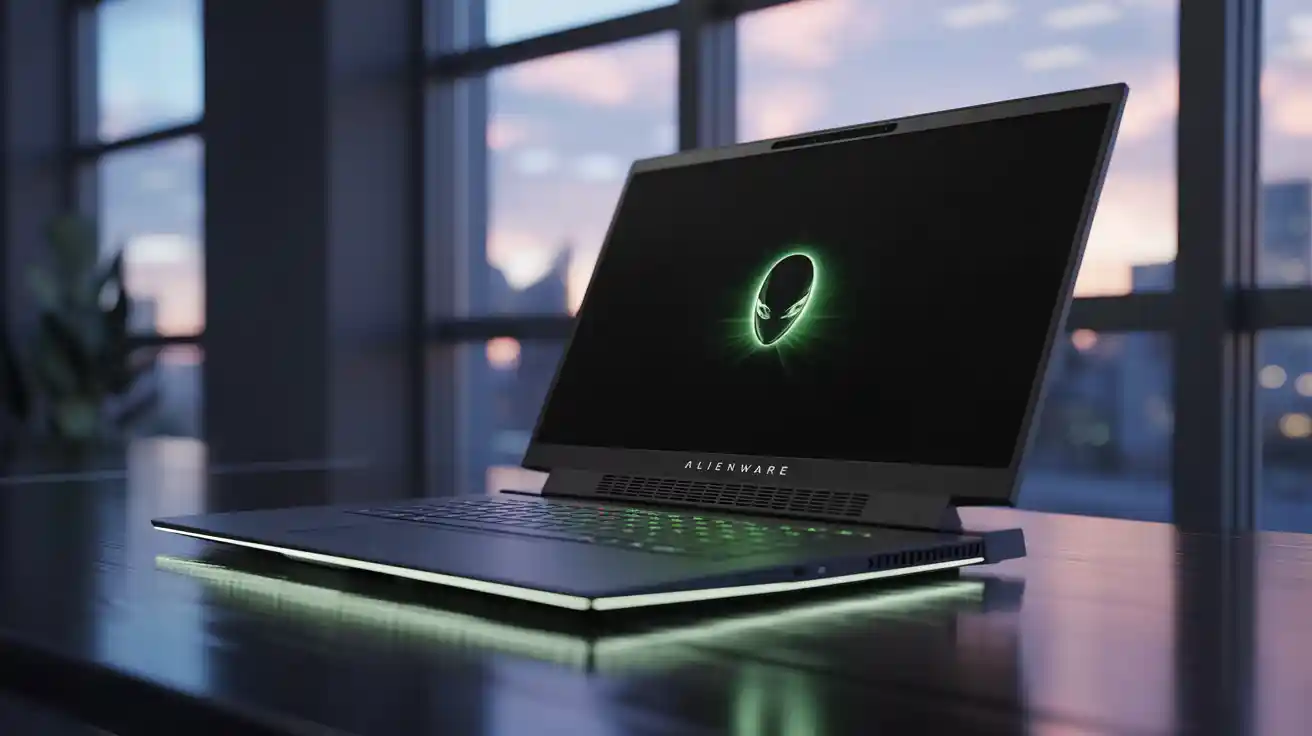
Alienware is a brand that has always focused on premium, high-end products. The moment someone sees the Alienware logo (the alien head), they know it’s something special. This strong identity helps Alienware stand out from the crowd.
Why Some Gamers Love It:
- They feel like they’re part of an elite group.
- The brand carries prestige and status in the gaming community.
- Owning an Alienware laptop feels like owning a luxury item.
Why Others Don’t Like It:
- Some people think Alienware is “too flashy” or “trying too hard.”
- A few gamers feel the brand focuses more on looks than function.
- Many believe you’re paying more for the logo than the actual performance.
2. Design – Bold and Futuristic, but Not for Everyone
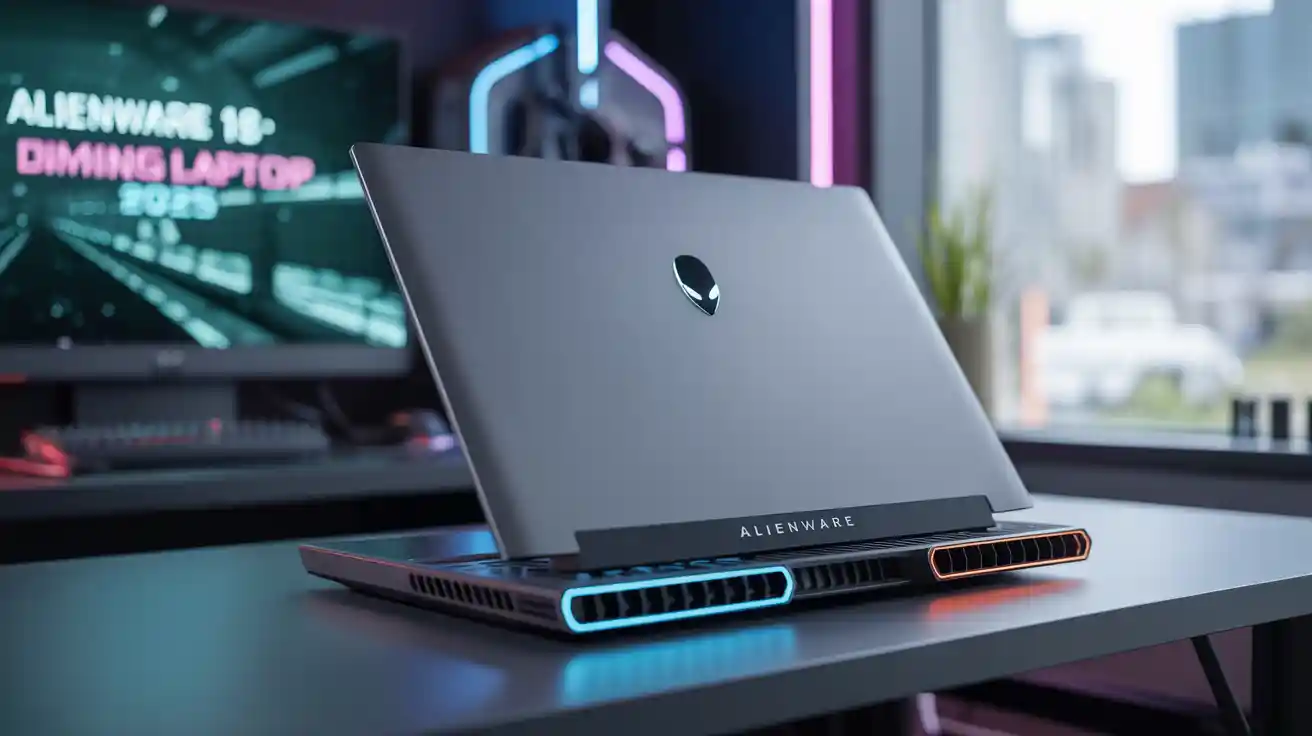
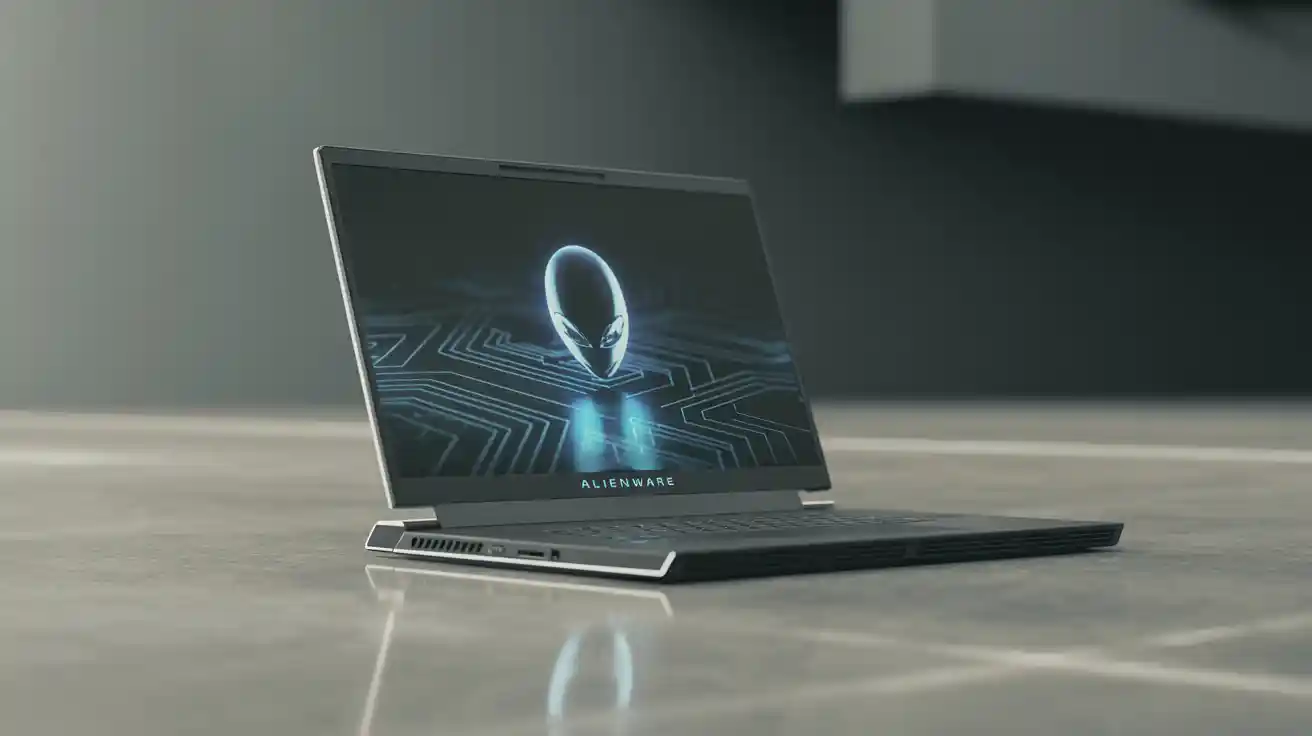
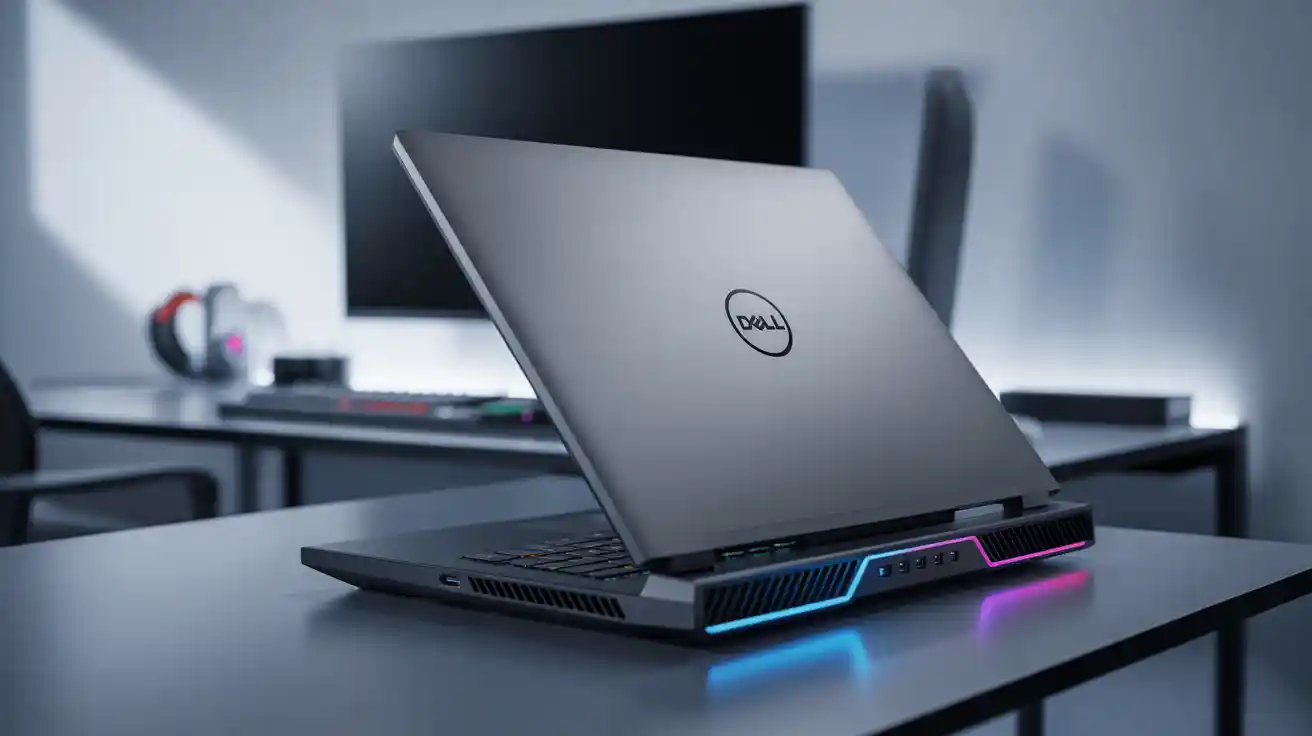
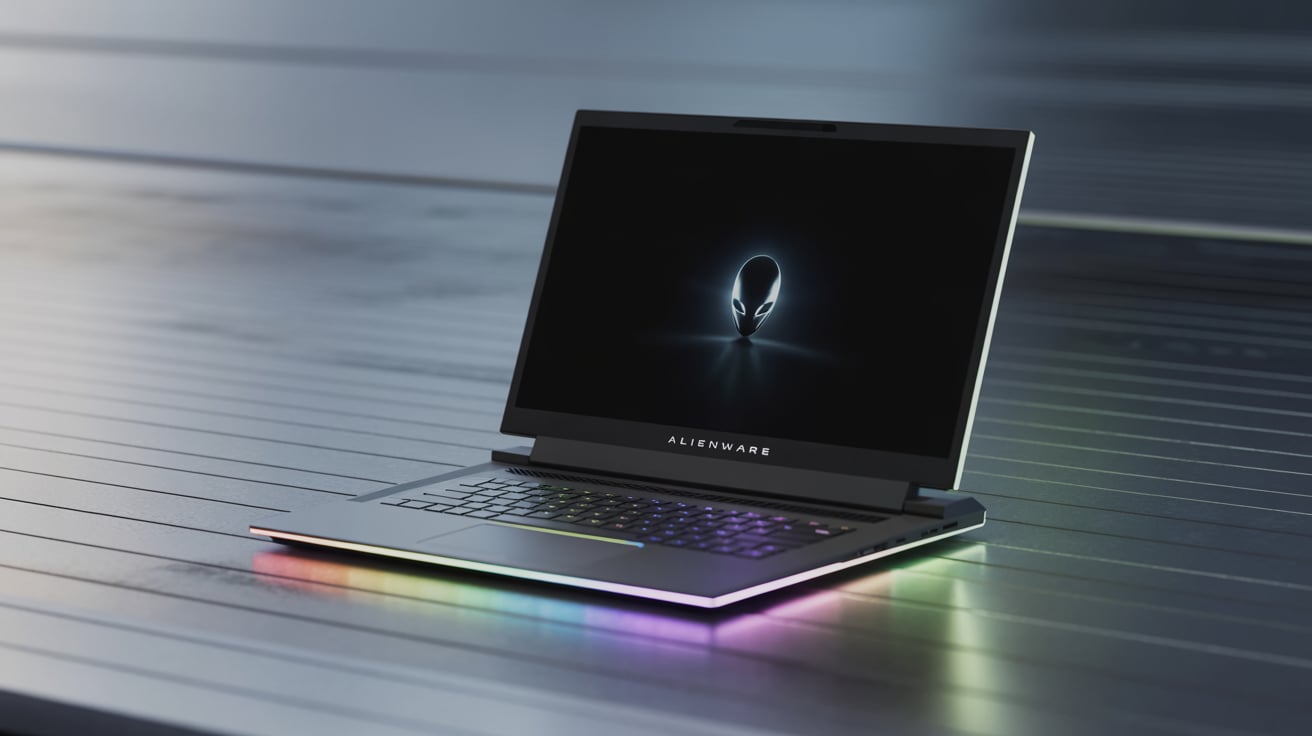
Alienware laptops look different. They don’t follow the normal laptop designs. Their shapes, RGB lighting, and sci-fi look make them stand out instantly.
The Pros of Alienware Design
- Unique Look: Alienware doesn’t copy anyone. Its laptops are bold, futuristic, and cool-looking.
- RGB Lighting: Gamers love lighting effects, and Alienware offers highly customizable RGB zones.
- Strong Build: The materials used are usually strong, with metal finishes and solid hinges.
The Cons of Alienware Design
- Too Bulky: Many Alienware laptops are heavy and thick. Not ideal for portability.
- Overdesigned?: Some gamers feel the designs are “too much” and prefer simpler looks.
- Thermal Exhaust Vents: The vents look like jet engines. Some love it, others hate it.
3. Performance – Top-Class Hardware, But at a Cost
Alienware laptops are designed for serious performance. Most models come with powerful CPUs, high-end GPUs, lots of RAM, and fast SSDs.
Why Gamers Praise Alienware Performance
- Smooth Gaming: Even demanding games run smoothly on Alienware laptops.
- Top-End Components: Intel i9, AMD Ryzen 9, RTX 4080/4090 GPUs—you name it.
- Upgradeable: Some Alienware models offer upgrade options for RAM and storage.
Why Some Gamers Complain
- Overheating Issues: High performance sometimes means more heat. Alienware laptops can run hot.
- Fan Noise: To cool down the system, fans often get loud.
- Thermal Throttling: If not cooled properly, performance may drop during long sessions.
4. Price – A Premium That Not Everyone Agrees With
One of the biggest reasons Alienware is divisive is the price. These laptops are expensive—no doubt about that.
Why Some Gamers Are Okay with the Price
- You Get What You Pay For: Premium materials, design, and support justify the cost.
- Longevity: Alienware laptops usually last long if maintained well.
- Prestige: Some are willing to pay more for the brand image.
Why Others Avoid Alienware Due to Price
- Overpriced?: Many believe you can get the same specs from other brands at a much lower price.
- Hidden Costs: Extended warranties, accessories, and upgrades add to the already high cost.
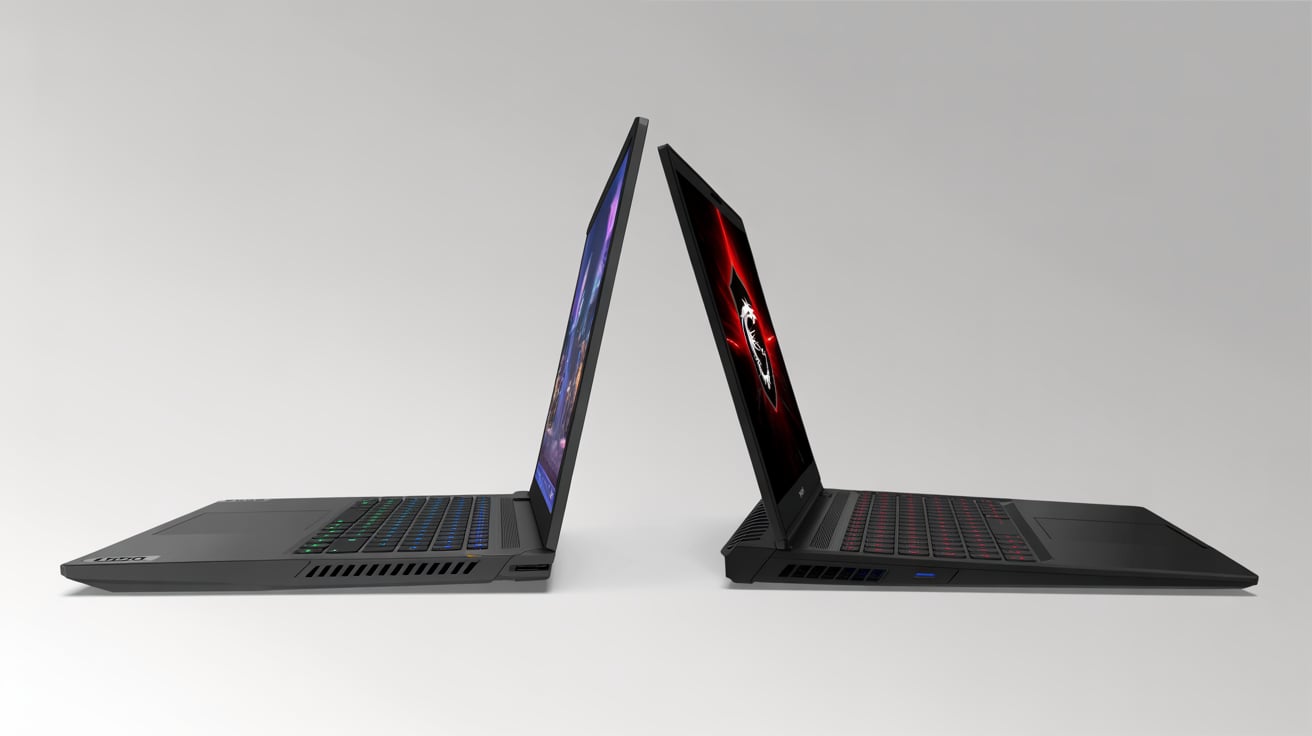
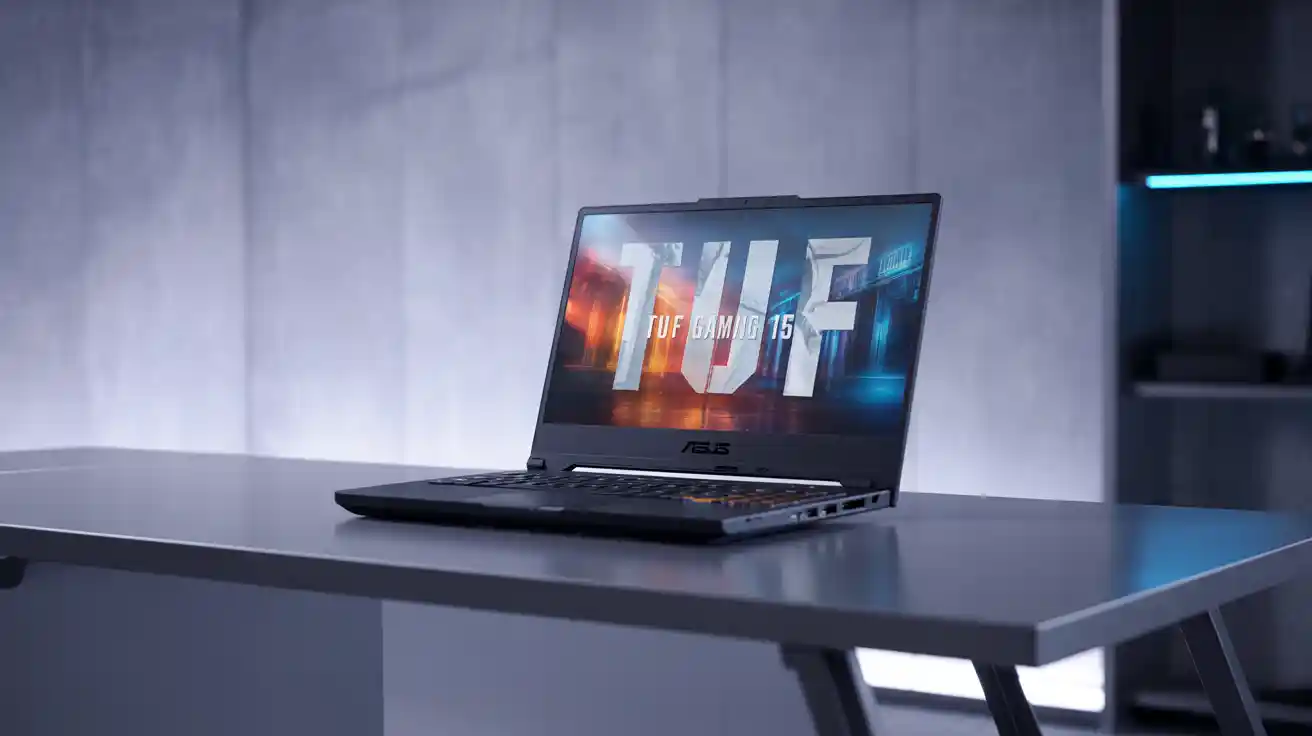
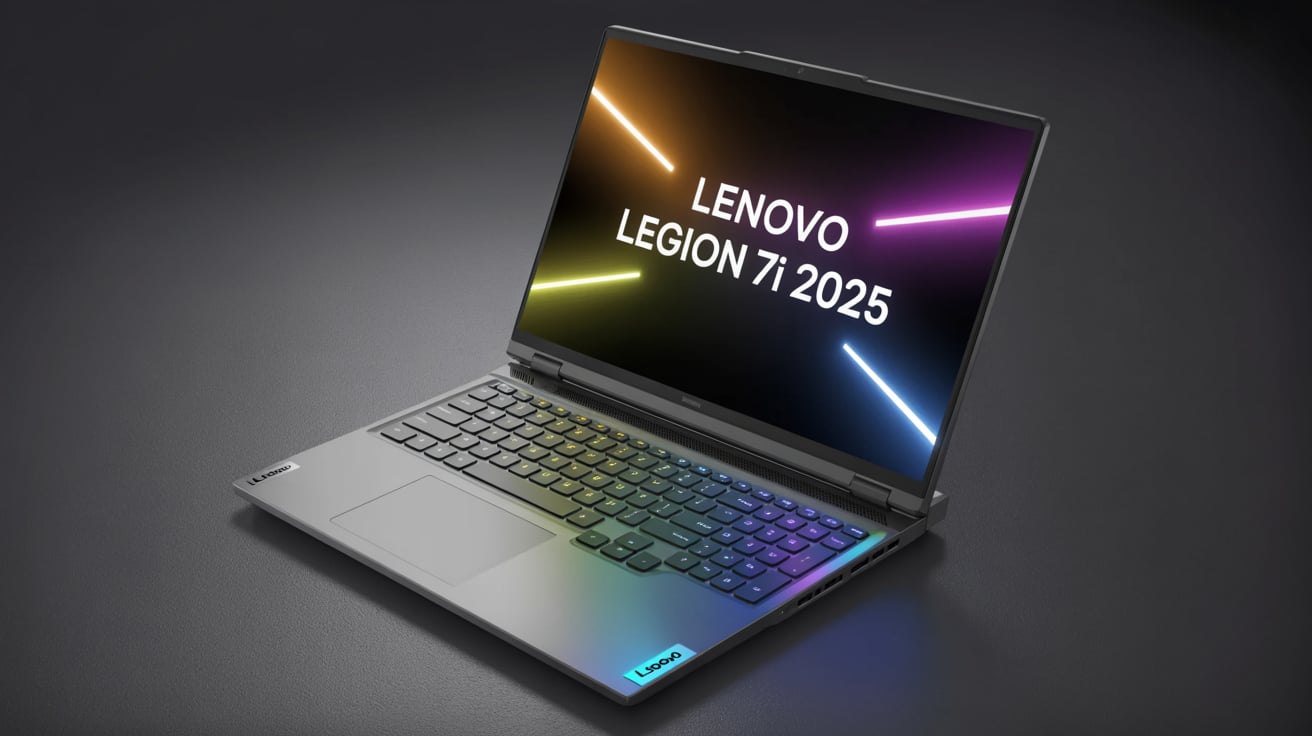
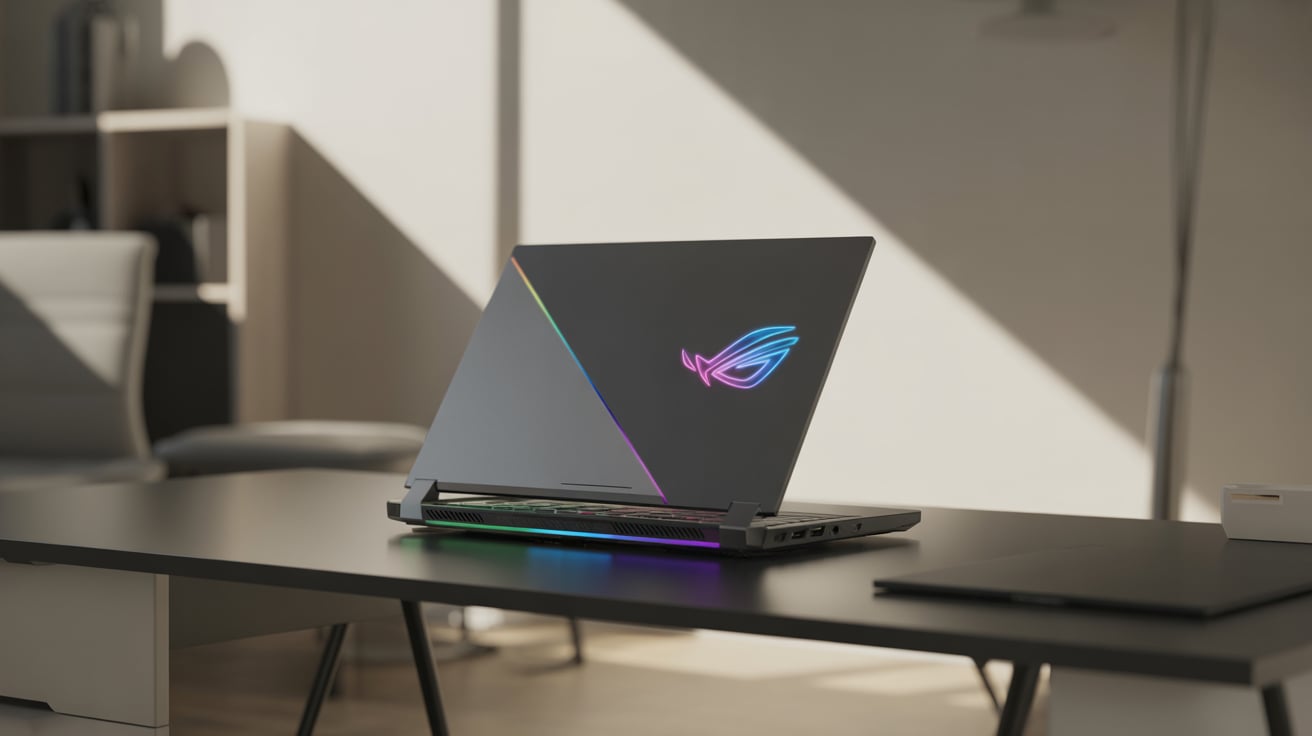
- Better Value Elsewhere: Brands like ASUS, MSI, and Lenovo offer competitive performance for less money.
5. Portability – Desktop Power in a Not-So-Mobile Body
Alienware laptops are often referred to as “desktop replacements.” They offer desktop-level performance in a laptop form—but that comes with trade-offs.
Why Some Gamers Don’t Mind the Weight
- Performance is Priority: For them, it’s about power, not portability.
- Great for Home Setup: Many gamers use Alienware laptops like desktops anyway.
- Solid Build: Heavier laptops often feel more durable.
Why Others Dislike It
- Not Travel-Friendly: Carrying an Alienware laptop in a backpack can feel like carrying a brick.
- Heavy Chargers: The power adapters are also big and bulky.
- Battery Life: High performance drains battery fast, making it less suitable for on-the-go gaming.
6. Software – Alienware Command Center: A Blessing or a Curse?
Alienware laptops come with their own software, called the Alienware Command Center. It controls lighting, performance modes, fan speeds, and more.
What’s Good About It
- All-in-One Control: Easy to manage all gaming settings in one place.
- Custom Profiles: Gamers can create their own game-specific performance settings.
- Fan Controls: Helps in managing overheating.
What’s Not So Great
- Bugs & Crashes: Many users report the software crashing or not responding.
- Heavy on System: It can slow down the system if not optimized well.
- Too Complicated: New gamers may find it confusing.
7. Customer Support – Dell's Reputation Helps, But Not Always Perfect
Being backed by Dell means Alienware customers get access to Dell’s support network. But the experience can vary.
Good Experiences
- Global Reach: Dell has service centers in many countries.
- Onsite Service: Some Alienware laptops come with on-site warranty.
- Premium Support: Faster response and better-trained agents.
Bad Experiences
- Long Waits: Support calls and service requests may take a long time.
- Parts Availability: Sometimes, parts are not available for quick replacement.
- High Service Cost: Out-of-warranty repairs can be expensive.
8. Upgradability – Better Than Most, But Still Limited
Some Alienware models allow users to upgrade RAM, SSDs, and sometimes even the GPU (in older models).
What’s Great
- Easy Access: Some laptops come with user-friendly designs to open the back panel.
- Better Than Thin & Light Laptops: Many gaming laptops don’t allow any upgrades, so Alienware stands out.
What’s Not So Great
- Soldered Components: Newer models are becoming harder to upgrade.
- Limited GPU Options: GPU upgrades are rare and expensive.
- Requires Tech Skills: Not everyone is comfortable opening up their laptop.
9. Alienware vs Other Brands – The Competition Is Fierce
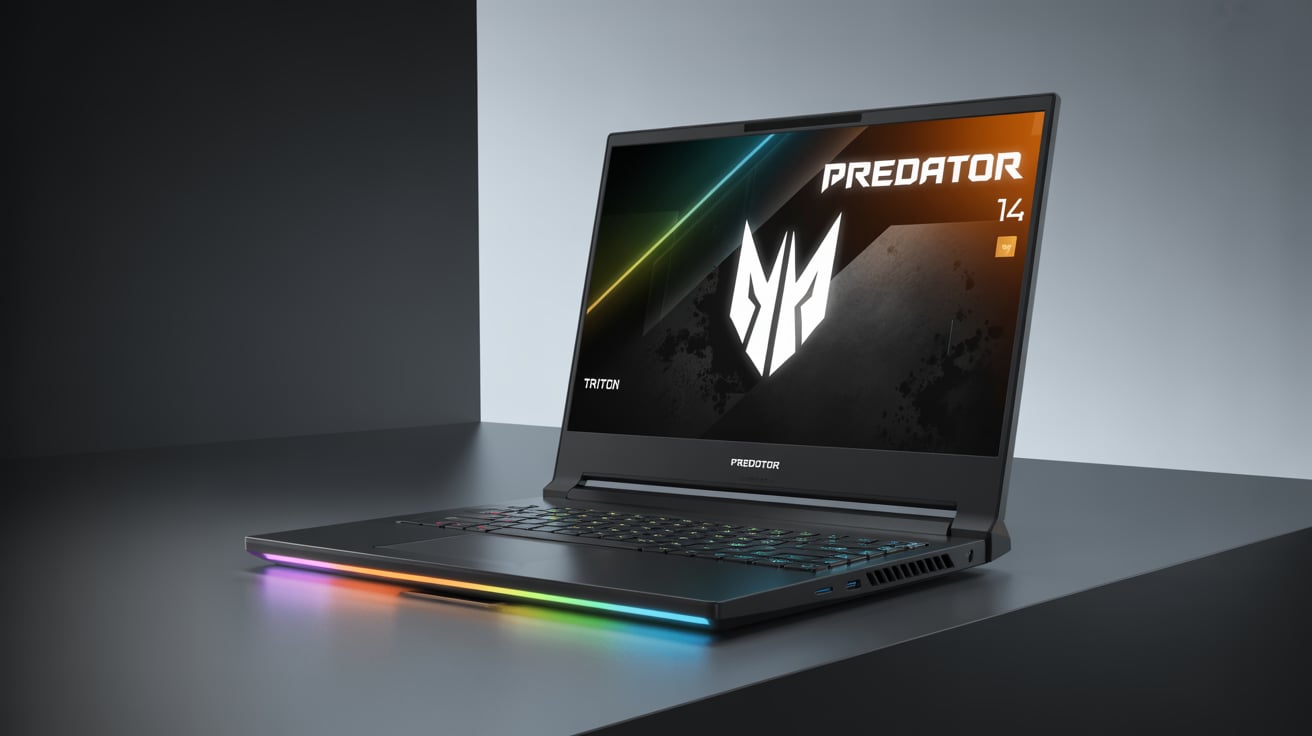
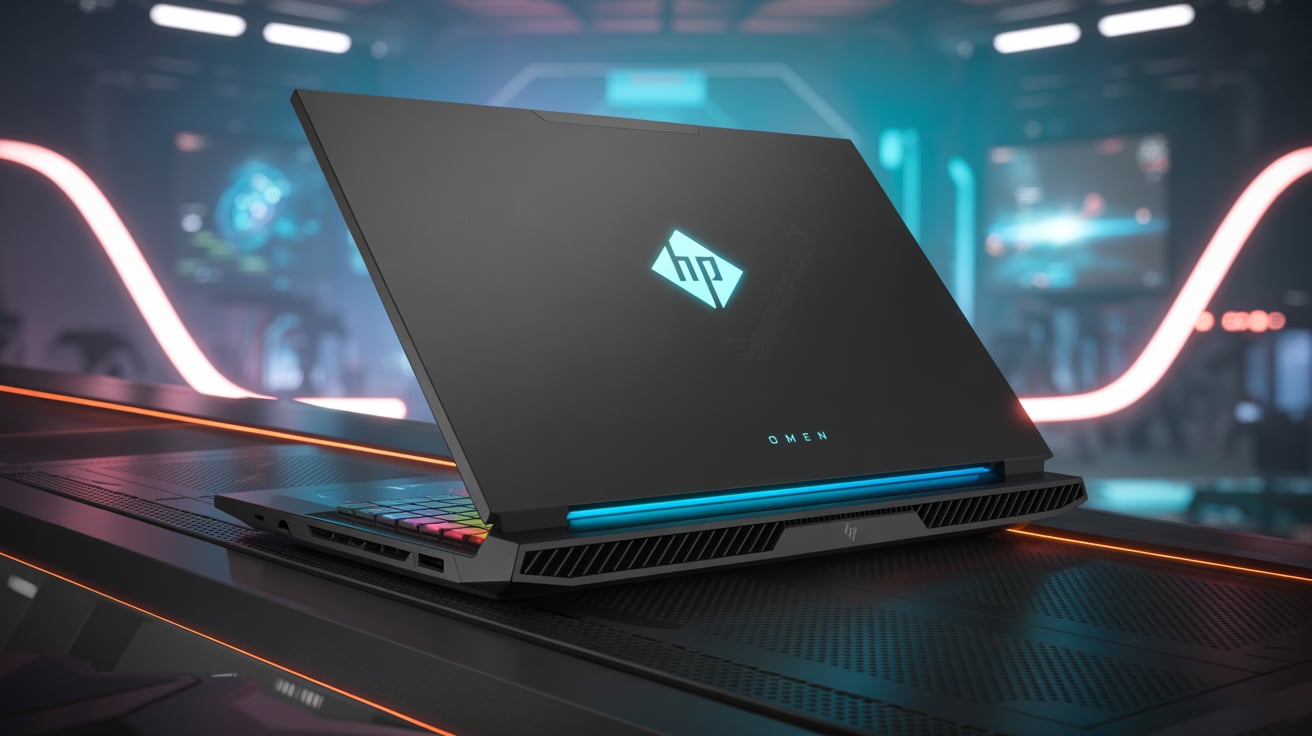
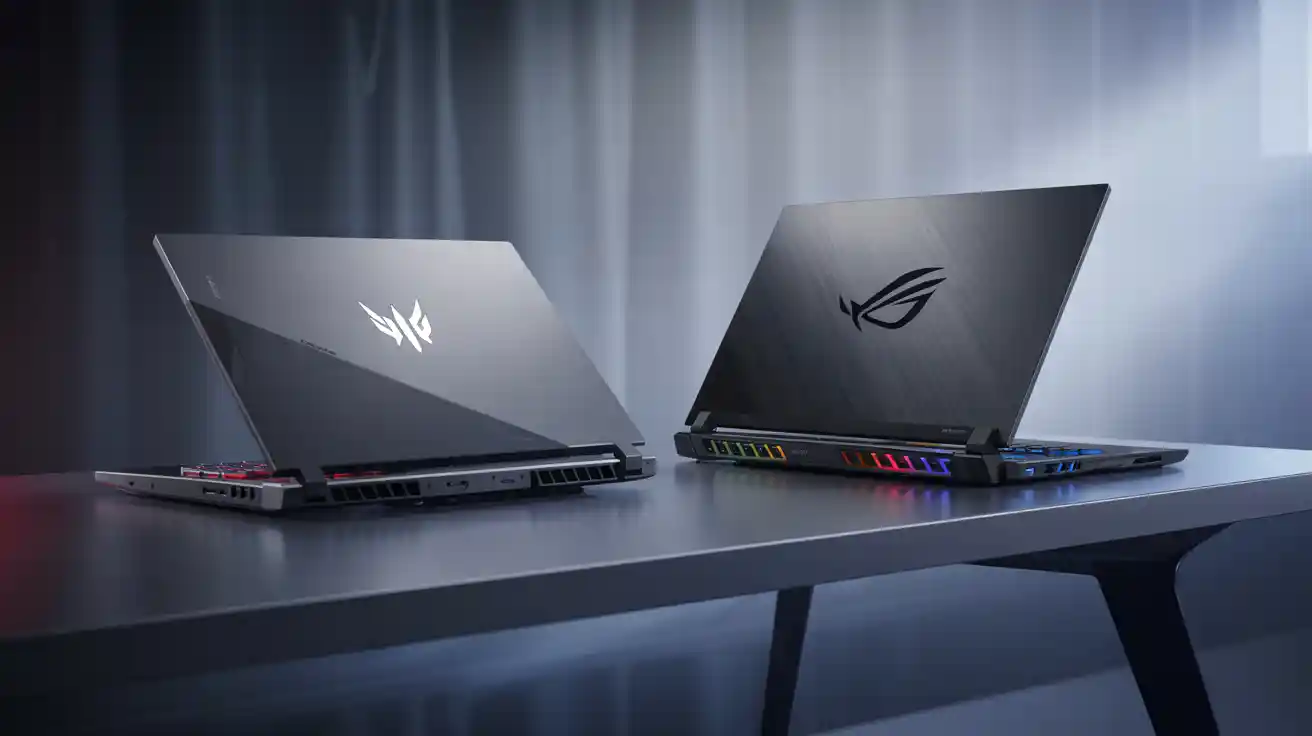
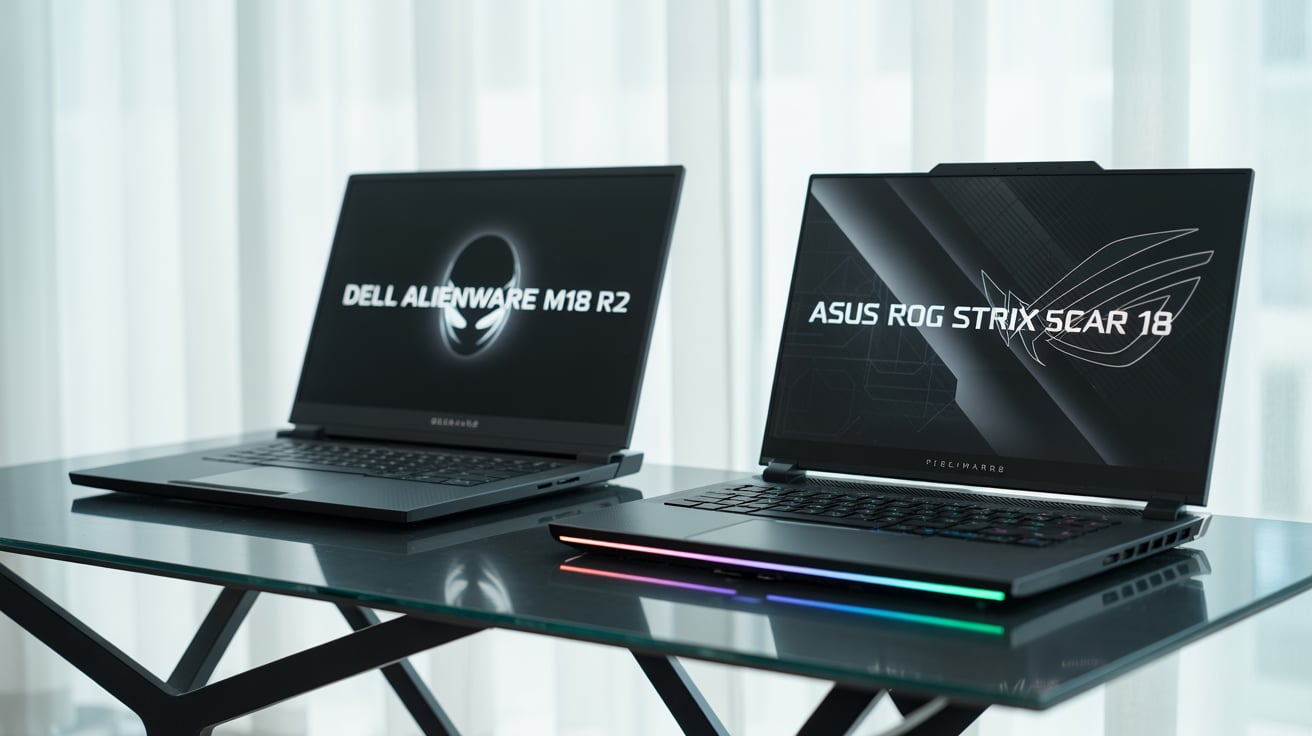
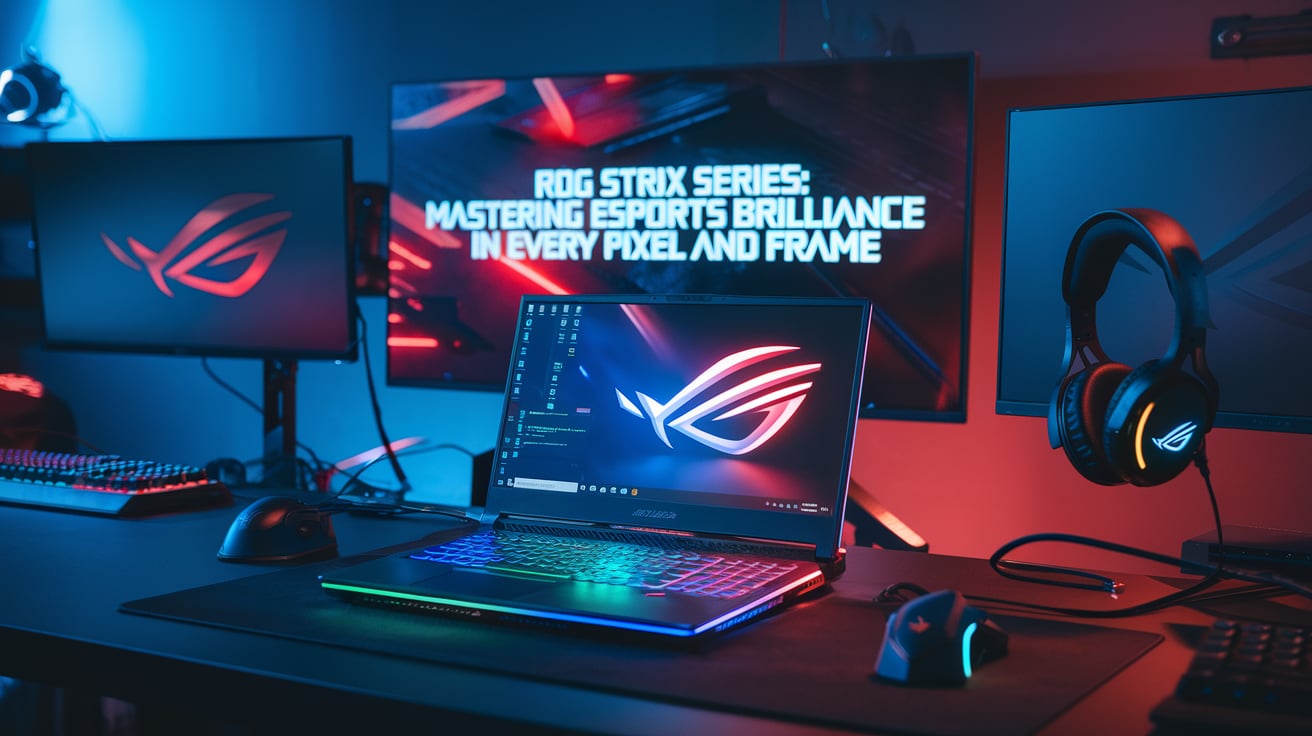
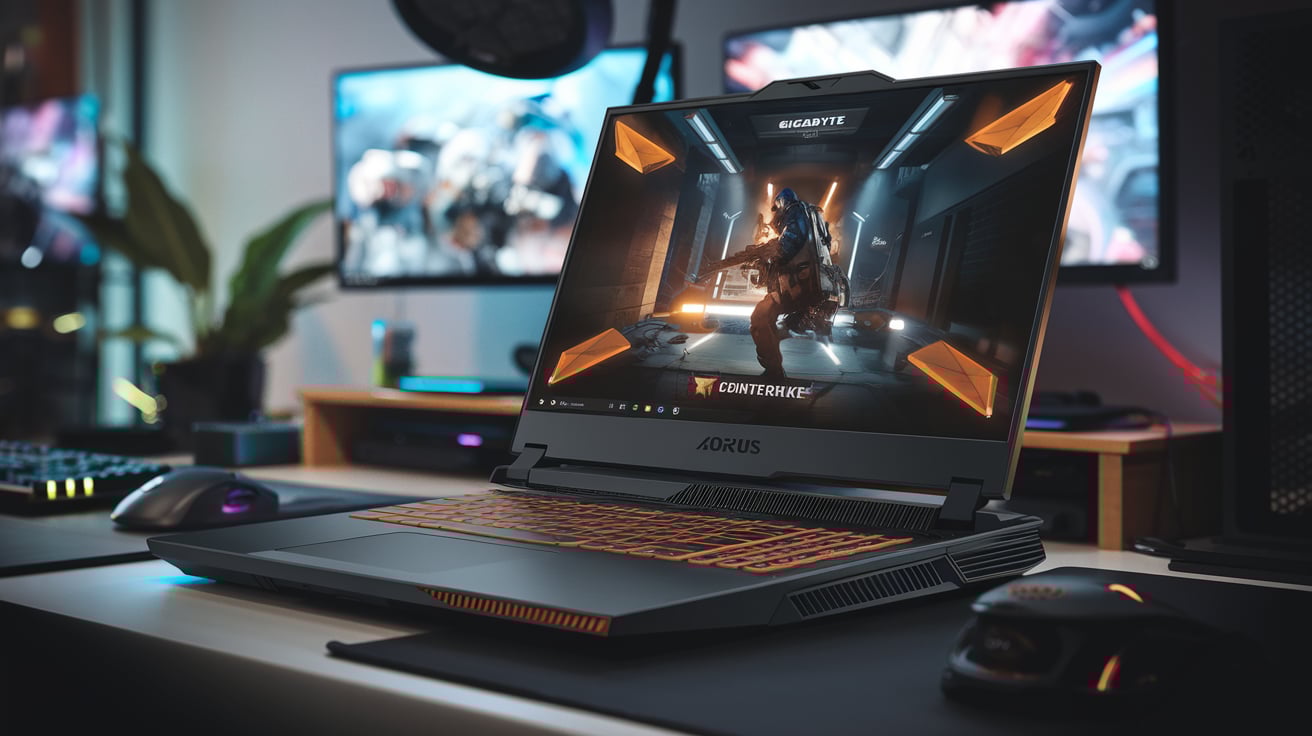
Alienware is no longer the only player in the premium gaming laptop space. Brands like ASUS ROG, MSI, Lenovo Legion, Acer Predator, and even Razer offer strong competition.
How Alienware Wins
- Stronger Brand Name
- Better Aesthetics for Some
- Dell’s Customer Network
How Other Brands Beat Alienware
- Better Price-to-Performance
- More Portable Options
- Better Battery Life
- More Modern Design Choices
10. Who Should Buy an Alienware Laptop?
Alienware laptops are not for everyone. So, who are they really made for?
Best For:
- Hardcore gamers who want extreme performance.
- Streamers and content creators who need raw power.
- Fans of premium build quality and futuristic design.
- Gamers who want a “cool” looking laptop.
Not Ideal For:
- Budget-conscious gamers.
- Students or travelers who need portability.
- Casual gamers who don’t need high-end specs.
- People looking for long battery life.
Conclusion – Why Alienware Laptops Spark Such Strong Reactions
Alienware laptops are like blockbuster movies—you either come out of the theater thrilled or shaking your head in disbelief. Some people are huge fans, celebrating every feature, while others are not impressed at all. This strong divide in opinions doesn’t happen without reason.
Alienware represents the extreme end of the gaming laptop spectrum. It offers unmatched power, bold futuristic design, and an experience that screams premium. But it also demands a high price, both in money and portability. The laptops are often bulky, loud, and come with shorter battery life compared to thinner gaming laptops. This creates a clear split between those who seek performance at any cost and those who prefer balance.
For gamers who enjoy customizing lights, overclocking CPUs, and showing off unique hardware, Alienware is a dream come true. These laptops are crafted for performance and aesthetics. But for gamers who value practicality—like better value for money, longer battery life, or easier portability—Alienware often feels like too much.
Even within the gaming community, preferences are deeply personal. A streamer who wants eye-catching gear may proudly show off an Alienware laptop on Twitch, while a competitive esports player may prefer a lighter, more efficient machine that performs without fan noise or heating issues.
The divisiveness is natural. It happens when a product tries to be bold, different, and premium. Not everyone wants the same gaming experience. Alienware gives you something unique—but not everyone needs that uniqueness.
Just like some people choose iPhones while others stick to Android, or some prefer sports bikes while others ride scooters, Alienware fills a specific role in the gaming ecosystem. It’s not trying to be for everyone—and that’s exactly what causes strong opinions around it.
Final Thoughts – Is Alienware Right for You?
Choosing a gaming laptop is a personal decision. It depends on your lifestyle, your gaming needs, and how much you’re willing to spend. When it comes to Alienware, here are some final thoughts to keep in mind:
Go for Alienware if:
You want one of the most powerful gaming laptops available.
You love flashy designs, RGB lighting, and a premium aesthetic.
You don’t mind carrying a heavier device for better performance.
You want to play AAA titles or stream games at high settings.
You’re ready to invest in a brand that stands out.
Avoid Alienware if:
You need a budget or mid-range laptop for casual gaming.
Portability and battery life are important to you.
You don’t want to deal with fan noise or possible overheating.
You prefer simple, minimalistic designs.
You can find similar specs in a more affordable laptop.
Alienware isn’t trying to win over every gamer. It’s built for a specific type of user—someone who craves high performance and is willing to pay for it. And that’s completely okay.
If you want value for money, there are plenty of alternatives. If you want luxury and power packed into one gaming laptop, Alienware is a top contender.
In the end, Alienware is both loved and hated because it dares to be different. It stands tall with its bold identity in a sea of lookalike laptops. Whether you embrace it or avoid it, one thing’s certain—Alienware will always remain one of the most talked-about names in gaming tech.