 Ekasjot_Singh
1. Introduction
In recent years, artificial intelligence (AI) has grown into a powerful force changing our daily lives. From smartphones to smart cities, AI is everywhere. At the center of this technology are AI chips, which help machines think and learn.
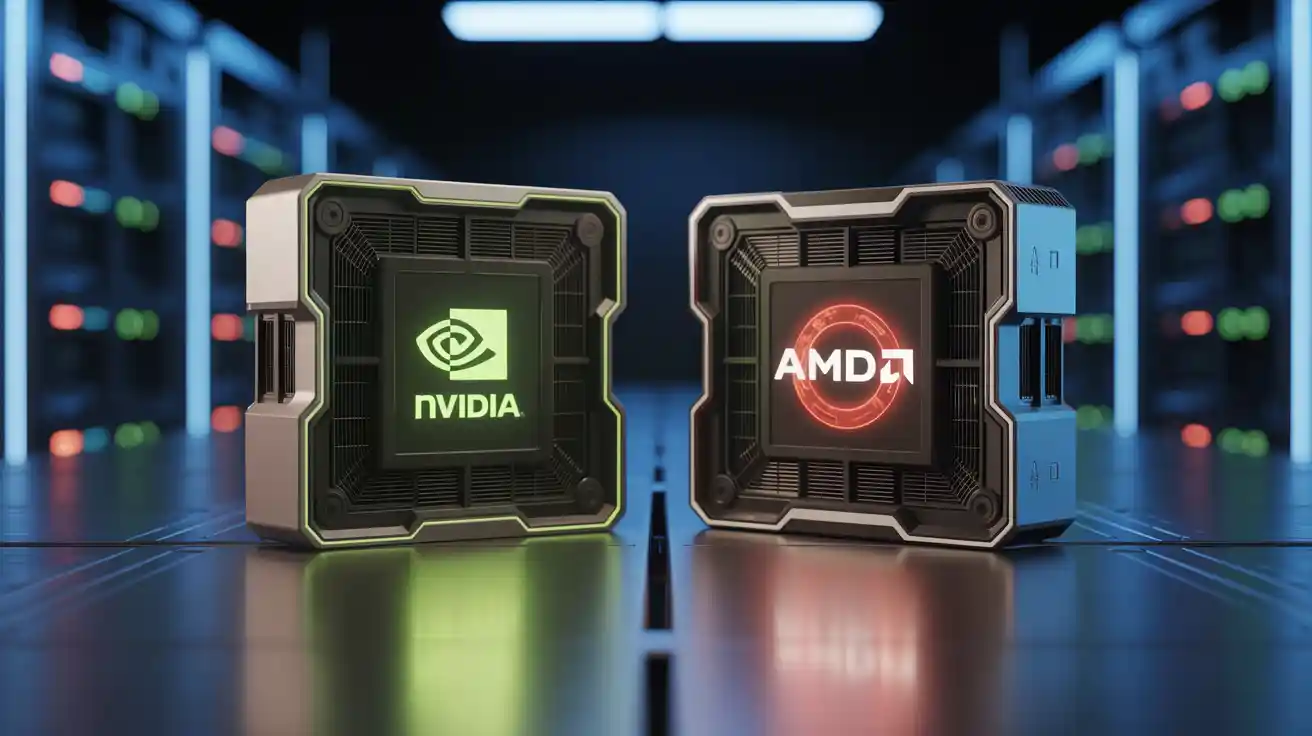
One of the leading companies in this space is Nvidia, known for its high-performance AI chips and GPUs. But in 2023 and 2024, the U.S. government imposed export limits on Nvidia’s most powerful chips to prevent their use in Chinese AI and military applications.
To solve this problem, Nvidia plans to launch a new affordable AI chip tailored specifically for the Chinese market. This move balances innovation, politics, and business strategy.
Let’s dive deep into what this new chip means for China, Nvidia, and the future of AI development.
2. About Nvidia and Its Role in AI
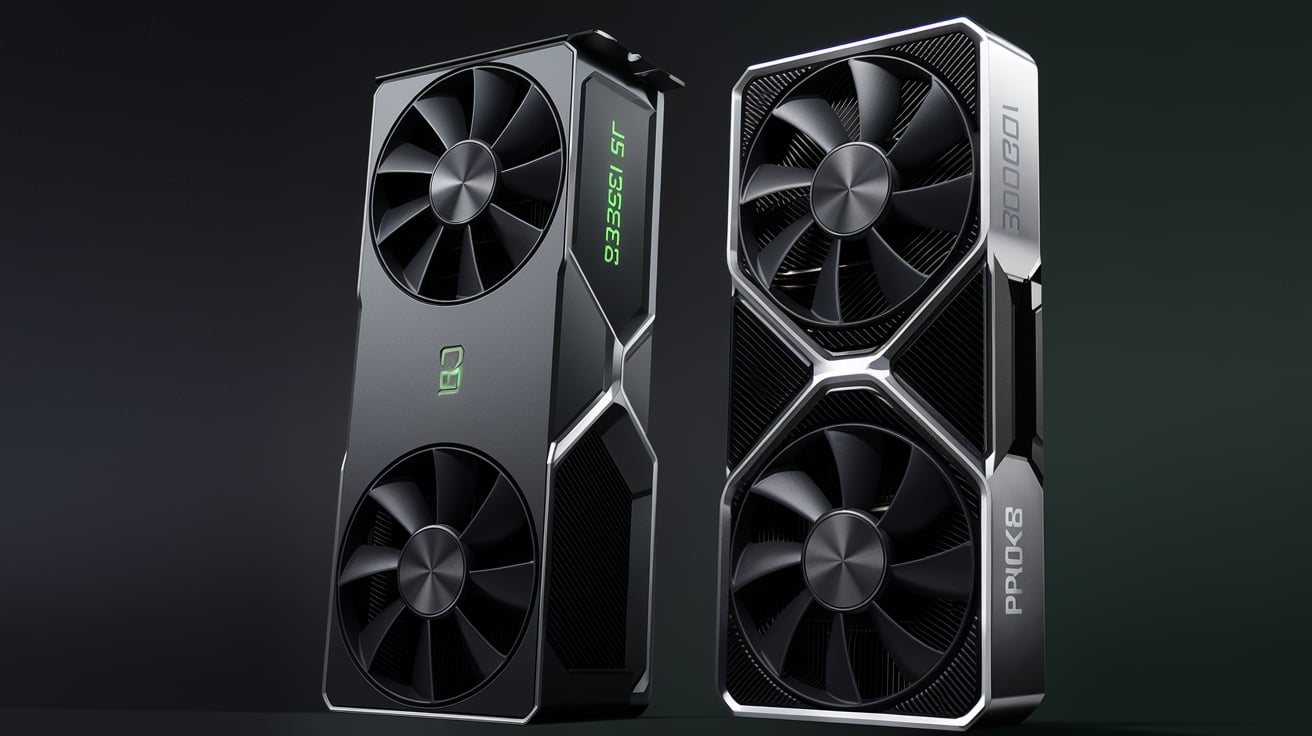
Nvidia Corporation, based in California, is a technology company famous for creating graphics processing units (GPUs). These are used in video games, data centers, AI research, and more.
Key Facts:
- Founded: 1993
- CEO: Jensen Huang
- Famous products: GeForce GPUs, A100, H100 AI chips
Nvidia’s hardware powers AI models like ChatGPT, autonomous vehicles, and deep learning systems. Its chips are used by researchers, tech giants like Microsoft and Amazon, and startups globally.
Over time, Nvidia has become the heart of the AI revolution. Without its chips, training massive AI models would be slow and inefficient.
3. What Are AI Chips and Why Are They Important?
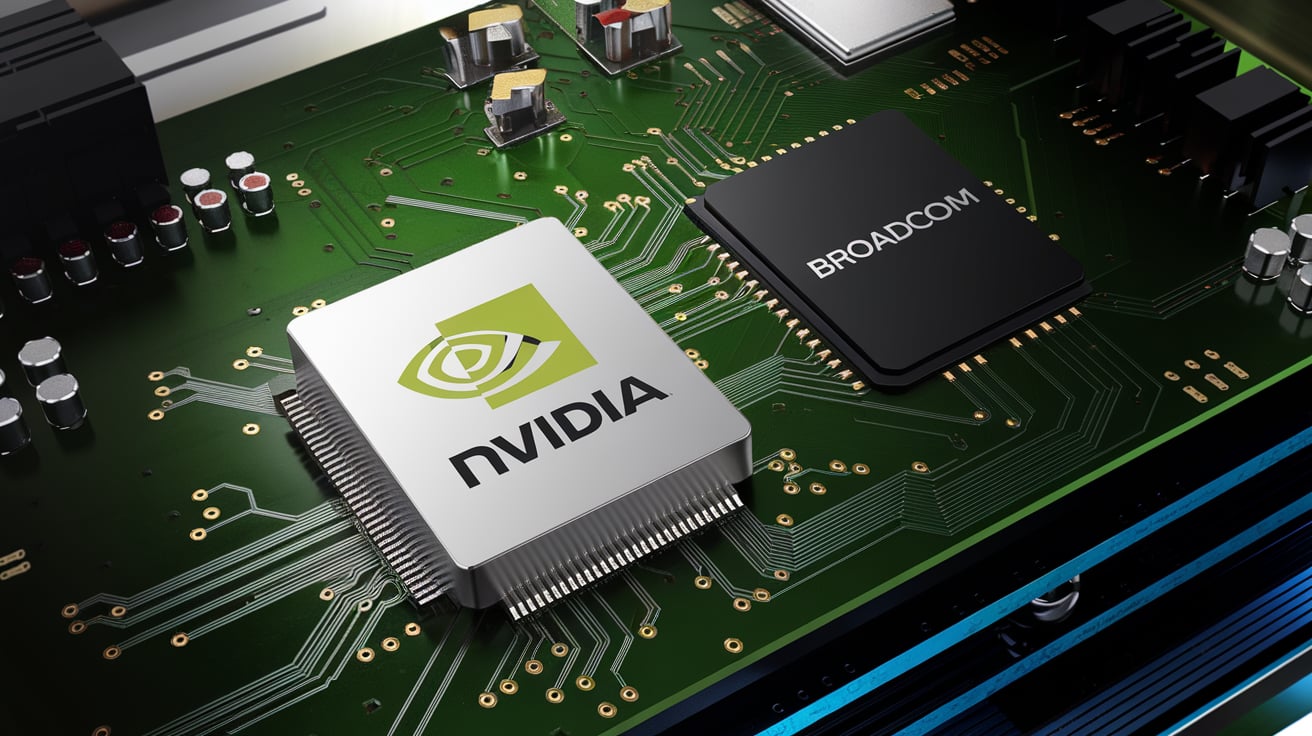
AI chips are specialized processors designed to handle complex mathematical tasks used in AI.
Functions of AI Chips:
- Perform fast calculations
- Train AI models using data
- Run applications like image recognition and language translation
Types of AI Chips:
- GPUs (Graphics Processing Units): Nvidia’s specialty
- TPUs (Tensor Processing Units): Created by Google
- ASICs (Application-Specific Integrated Circuits): Customized for AI tasks
Without AI chips, technologies like self-driving cars, smart assistants, and recommendation systems wouldn’t work effectively.
4. China’s Growing Demand for AI Chips
China is on a mission to become the global AI leader by 2030, and AI chips are at the core of this plan.
Reasons Behind China’s Demand:
- Government support for AI development
- Expansion of cloud computing and smart city projects
- Growth of AI startups
- Increasing use of AI in healthcare, finance, and education
In 2023, China was the second-largest buyer of Nvidia’s AI chips, showing how deeply its AI growth depends on foreign technology.
5. U.S. Export Limits on AI and Chip Technology
In late 2022 and 2023, the U.S. Department of Commerce announced strict rules that:
- Banned the export of advanced chips (like Nvidia A100 and H100) to China
- Prevented American companies from working with Chinese AI labs
- Restricted software updates and support for existing Nvidia products in China
Why These Rules?
The U.S. government is concerned that China may use powerful AI chips to:
- Build military technology
- Create surveillance tools
- Gain dominance in global tech markets
These export restrictions forced Nvidia to rethink its approach to China.
6. Why Nvidia Is Launching a New Chip for China
Nvidia is a business, and China is a massive market.
Instead of leaving China entirely, Nvidia decided to design a new chip:
- Not restricted by U.S. laws
- Still useful for AI applications
- Affordable for a wide range of Chinese companies
This chip will allow Nvidia to:
- Continue generating revenue from China
- Stay competitive against Chinese chip makers
- Support AI growth in China without violating export laws
7. Features of the New Affordable Nvidia AI Chip
Though full specs are not public yet, reports say the new chip will have:
Key Features:
- Lower computational power than banned models
- AI processing capabilities suitable for most commercial applications
- Compliance with U.S. export rules
- Affordability, making it accessible to Chinese startups and enterprises
This chip may be similar to previous models like the Nvidia A800 or H800, which were also made for the Chinese market with limited performance.
8. How Will the New Chip Impact China?
Even though the new chip is less powerful, it still plays an important role in China’s AI journey.
Benefits for China:
- Keeps AI development moving forward
- Supports universities, labs, and businesses
- Bridges the gap until Chinese-made chips catch up
China will continue building AI models, working on autonomous driving, and improving healthcare and finance technologies using Nvidia’s new chip.
9. The Rise of Chinese AI Chip Makers
In response to U.S. restrictions, Chinese companies are speeding up their efforts to build local AI chips.
Key Players:
- Huawei: Known for its Ascend AI chips
- Alibaba: Developing AI chips through its T-Head division
- Cambricon: China’s leading AI chip startup
These companies are improving every year but still face challenges in:
- Manufacturing advanced chips
- Competing with Nvidia’s software ecosystem like CUDA
- Scaling up production
Nvidia’s new chip gives China a short-term solution while homegrown efforts catch up.
10. Business Strategy Behind Nvidia’s New Chip
Nvidia’s decision is not just about China — it’s about long-term global strategy.
Smart Business Moves:
- Protects revenue from the Chinese market
- Keeps Nvidia’s brand alive in China
- Builds goodwill with both the U.S. government and Chinese customers
Nvidia is balancing innovation, diplomacy, and profits, which is difficult in today’s geopolitical climate.
11. Technology vs. Politics: The U.S.-China Tech War
This chip launch highlights a bigger issue: the ongoing U.S.-China tech war.
- The U.S. wants to control access to critical technologies
- China wants to become self-sufficient
- Companies like Nvidia are caught in the middle
Both countries are racing to win in AI, semiconductors, and quantum computing. Export controls and new chip designs are just the beginning of a much larger battle.
12. The Global AI Chip Market Outlook
The global AI chip market is expected to grow from $20 billion in 2023 to over $80 billion by 2030.
Trends:
- Growing demand for edge AI chips
- Increased competition among global chipmakers
- Focus on energy-efficient AI chips
- More countries investing in domestic semiconductor production
Nvidia’s affordable chip for China fits right into these trends, especially the demand for cost-effective AI solutions.
13. Risks and Challenges Ahead for Nvidia
Despite the benefits, Nvidia faces several risks:
- Future U.S. restrictions might ban even more products
- China may favor local chip makers
- The new chip may not meet the needs of top AI companies in China
- Supply chain disruptions could delay production
Nvidia must remain agile and innovative to stay ahead.
14. How This Affects AI Startups and Researchers in China
AI startups and researchers in China depend heavily on hardware like Nvidia’s chips.
With the new chip, they can:
- Continue developing AI software
- Train machine learning models
- Run cloud-based AI services
Though the new chip is limited, it’s better than nothing, especially for startups with smaller budgets.
15. Summary
Nvidia’s decision to launch a new affordable AI chip for China is a smart response to U.S. export limits and China’s growing AI needs. This chip may not be as powerful as the A100 or H100, but it offers a critical lifeline for Chinese developers, researchers, and tech companies.
As the U.S.-China tech war continues, Nvidia’s strategy shows how companies can adapt to complex global rules while still driving technological progress.
In the years ahead, the world will watch how Nvidia, Chinese chipmakers, and both governments navigate this challenging but exciting era in AI.